
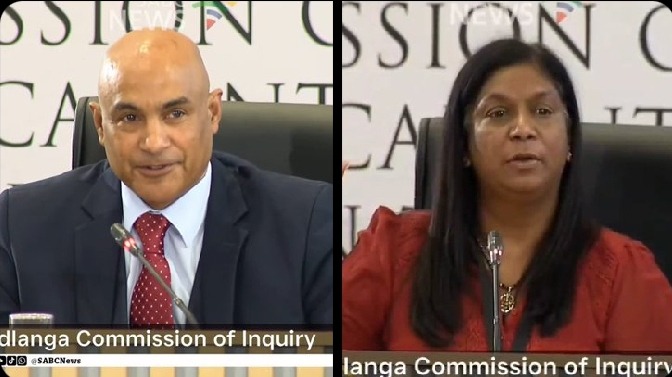
Conflicting claims about the handling of Section 27 referrals have sparked fresh concerns over transparency and accountability within the referral process.
On one hand, officials have maintained that a dedicated committee is responsible for reviewing all incoming Section 27 referrals before decisions are made. However, opposing claims insist that no such committee exists and that referrals are processed without oversight from any formally constituted body.
The contradictory positions have raised an important question: who is telling the truth?
Observers argue that the issue goes beyond administrative procedure. If a committee exists, stakeholders are calling for clarity on its membership, terms of reference, meeting records, and the criteria used to assess referrals. Such information, they say, would help strengthen public confidence in the process.
Conversely, if there is no committee, questions arise over why references have been made to one and who is responsible for evaluating Section 27 referrals. The absence of a clearly defined review structure could undermine confidence in the integrity and fairness of the system.
Governance experts note that transparency is essential in any referral process, particularly where decisions may have significant legal, administrative, or public interest implications. They argue that inconsistent public statements only fuel speculation and erode trust.
Stakeholders are now urging the relevant authorities to provide a clear and definitive explanation. A formal statement outlining the actual process for receiving and reviewing Section 27 referrals would help resolve the conflicting narratives and reinforce accountability.
Until such clarification is provided, the lingering question remains: is there truly a committee reviewing Section 27 referrals, or has the public been misled?