
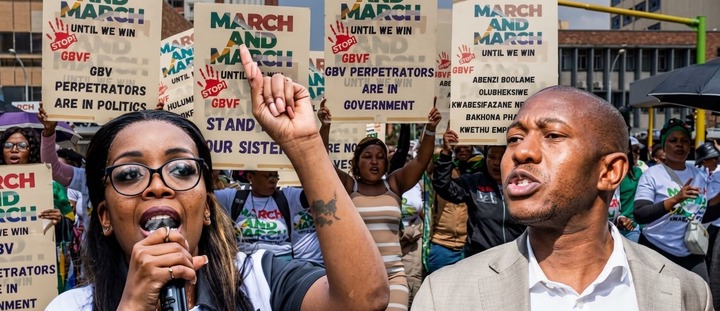
March and March Movement leader Jacinta Ngobese-Zuma and her husband, Xolani Zuma, have come under the spotlight following claims that they have received millions of rand through government contracts since 2021, raising questions about public procurement and the relationship between government business and political activism.
The reported contracts have attracted attention because of the movement’s outspoken campaign against the state over immigration laws and regulations. The organisation has repeatedly called for stricter immigration enforcement, making its relationship with government institutions a subject of public interest.
The central question is whether the contracts were awarded through transparent, competitive and lawful procurement processes, and what services were delivered in exchange for the reported payments.
South Africa’s public procurement system is governed by rules intended to promote fairness, transparency, competitiveness and accountability. Individuals and businesses may legitimately secure government contracts, but public scrutiny becomes particularly important when questions emerge about the value of contracts, the awarding authorities and the interests of those benefiting.
Ngobese-Zuma has become a recognisable figure in South Africa’s immigration debate through the March and March Movement, which has mobilised around concerns about illegal immigration and the enforcement of existing legislation.
The movement’s confrontational approach towards government policies has intensified discussions about immigration, border control and the responsibilities of public authorities. Against that backdrop, the reported contracts involving Ngobese-Zuma and her husband are likely to attract further questions from the public.
However, receiving government contracts does not automatically indicate corruption, nor does criticising government policy establish that a person has acted improperly. Any suggestion of wrongdoing would require evidence, including tender documentation, company records and details of the procurement processes involved.
Key unanswered questions concern the exact amounts paid, the departments or public entities involved, the companies that received the contracts and whether any conflicts of interest have been identified.
The couple should have an opportunity to respond to the specific claims, while the relevant authorities should provide clarity where disclosure is legally permissible.
Ultimately taxpayers deserve transparency over public spending, regardless of who benefits. If the reported contracts are confirmed clear answers about how they were awarded and what public value they delivered will be essential to ensuring accountability.