Calls Grow for Madlanga Commission to Consider Phala Phala Allegations as Inquiry Continues
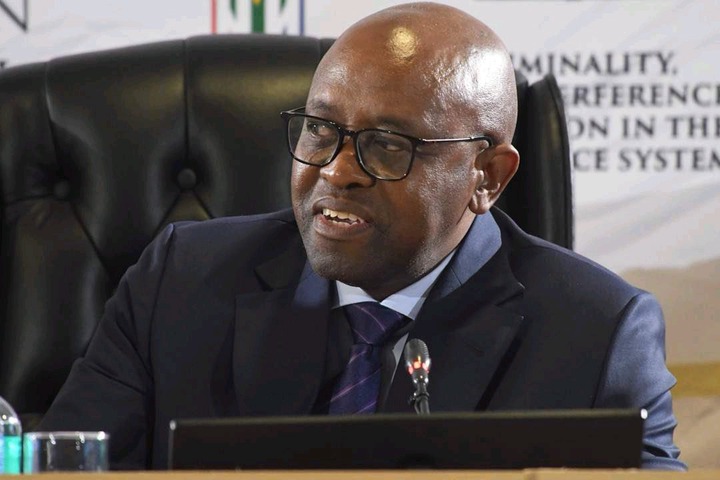
As the Madlanga Commission of Inquiry continues hearing evidence on allegations of criminality, corruption, and political interference within South Africa’s criminal justice system, renewed calls have emerged for the commission to consider whether the controversial Phala Phala farm matter falls within its scope.
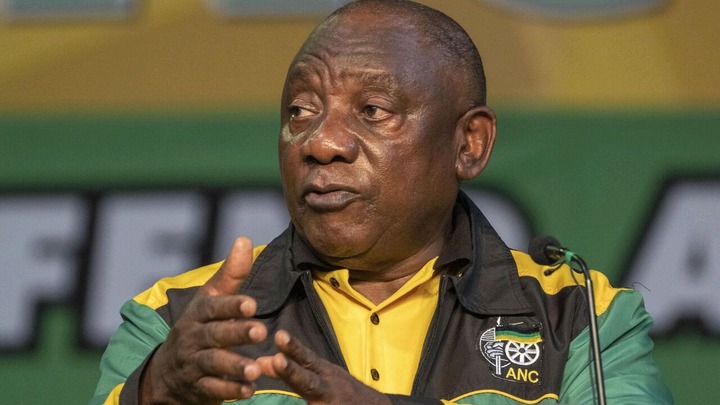
The debate has intensified as some observers question why senior police officers linked to the handling of the Phala Phala incident have not been called to testify before the commission. Others have also asked whether President Cyril Ramaphosa should be invited to provide evidence regarding the matter.
The commission was established to investigate allegations of corruption, criminal infiltration, and political interference within South Africa’s law enforcement and criminal justice institutions. Since its establishment, it has heard testimony from several senior police officials, prosecutors, and other witnesses concerning alleged misconduct within the country’s security agencies.
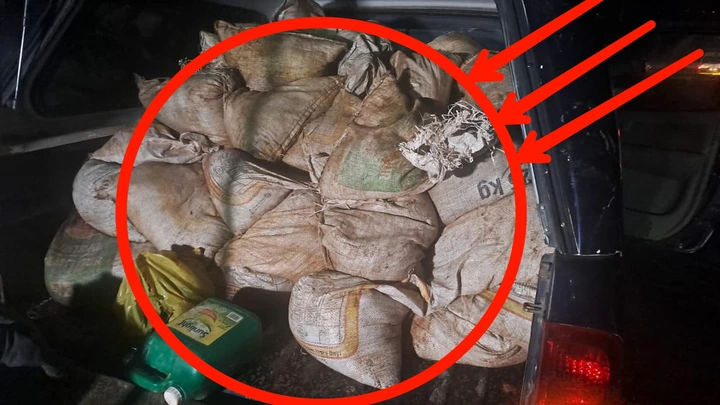
Critics argue that the Phala Phala controversy should also receive attention because it raised questions about the handling of the theft of foreign currency from President Ramaphosa’s private farm in Limpopo and the actions taken by law enforcement following the incident.
However, there has been no finding by the Madlanga Commission that police officers were involved in any cover-up relating to the Phala Phala matter. Likewise, the commission has not announced that President Ramaphosa will be called to testify on the issue.
Legal experts note that while the commission’s mandate is broad, it remains bound by its official terms of reference. Whether any issue, including the Phala Phala matter, is investigated depends on whether the commission considers it relevant to its objectives.
The inquiry has already heard extensive evidence concerning allegations of corruption and political interference within South Africa’s criminal justice system. To allow it to complete its work, President Ramaphosa recently approved an extension of the commission’s timeline, with evidence gathering expected to conclude by 2 October 2026 and the final report due by 16 November 2026.
As the hearings continue, public interest in the commission’s work remains high. Many South Africans believe all allegations relating to possible corruption or political interference should be thoroughly examined, regardless of the individuals involved.
Whether the commission ultimately decides to examine issues related to the Phala Phala controversy will depend on its assessment of the evidence and whether the matter falls within its legal mandate. Until then, calls for transparency and accountability are expected to remain at the center of public debate.