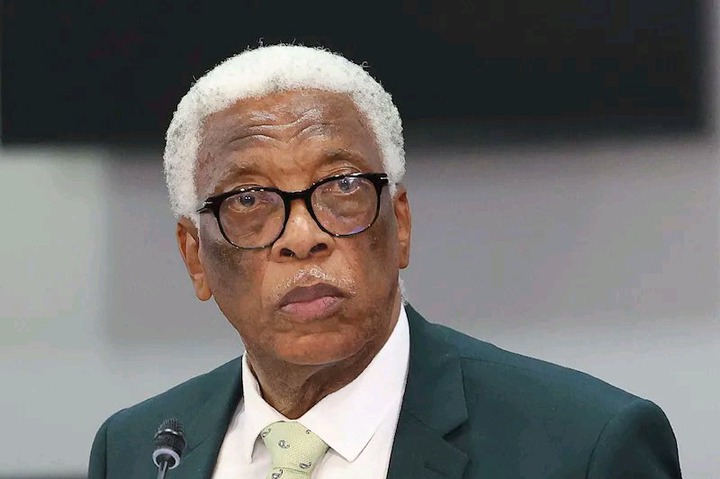
Just days after returning to work, Judge Selby Mbenenge was thrown back on temporary leave after a judicial tribunal found him guilty of wrongdoing in the workplace. While the Judicial Service Commission (JSC) reviews the tribunal’s ruling, Chief Justice Mandisa Maya has confirmed that Mbenenge must continue to be on leave. This action basically puts a hold on his return to the bench and shows how seriously the judiciary is taking the verdict. The public was curious about Mbenenge’s quick return, with many wondering why it was so soon after the tribunal had announced its conclusions.
The tribunal procedure does not have the power to inflict ultimate sanctions, but its findings are highly significant and can be reviewed by the JSC, which has the power to decide what happens next. Many regard the Chief Justice’s order as an effort to maintain trust in the court system and its institutions. By bringing special leave back into play, the judiciary seems to be sending a message that accountability and procedural fairness must go unimpeded.
The findings of the tribunal have sparked debate in both the legal and popular spheres, as they pertain to claims of misconduct in the workplace. The matter is still within the formal and delicate adjudicative framework, nevertheless, until the JSC finishes its discussions. According to legal experts, exceptional leave is neither a punishment for wrongdoing nor an admission of guilt beyond what the tribunal has found. Rather, it’s an administrative measure meant to keep things stable while regulatory agencies look into it.
This incident shows how the judiciary must walk a fine line between protecting individual rights and maintaining public trust in the system. It shows the public how the accountability processes of the judiciary work, which is frequently unseen but has huge consequences. A lot of people are wondering what happens next and how it will affect Judge Mbenenge’s tenure as the JSC gets ready to review the tribunal’s ruling.