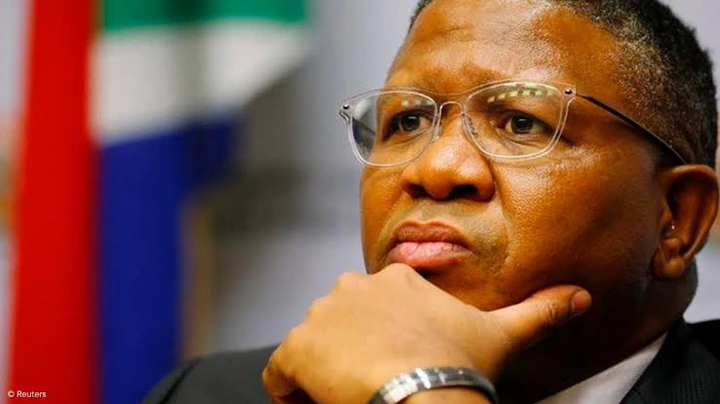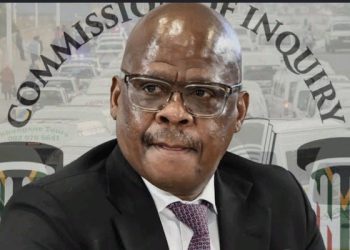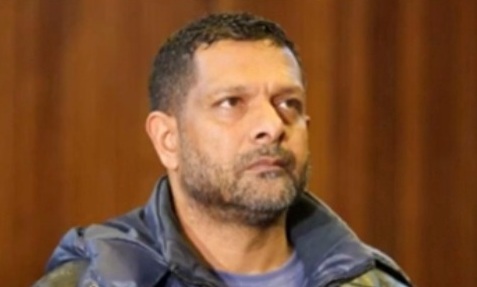
Serious allegations of corruption and manipulation of procurement processes have surfaced involving Major-General Feroz Khan, the suspended deputy head of Crime Intelligence. He is accused of being connected to multimillion-rand kickbacks, luxury vehicles, and irregular government contracts.
These claims came to light during recent testimony presented to the Madlanga Commission of Inquiry, where evidence leaders detailed Khan’s alleged involvement in a network of officials and business figures engaged in corrupt activities.
The evidence suggests Khan helped certain businessmen gain access to state tenders, particularly in sectors involving automotive parts and public procurement. These arrangements are said to reflect a wider pattern of influence trading within government institutions.
Among the most significant allegations is a reported R92.4 million kickback tied to tender processes. While details about how these funds were allegedly managed or shared are still emerging through commission testimony, they have not yet been examined in a criminal court.
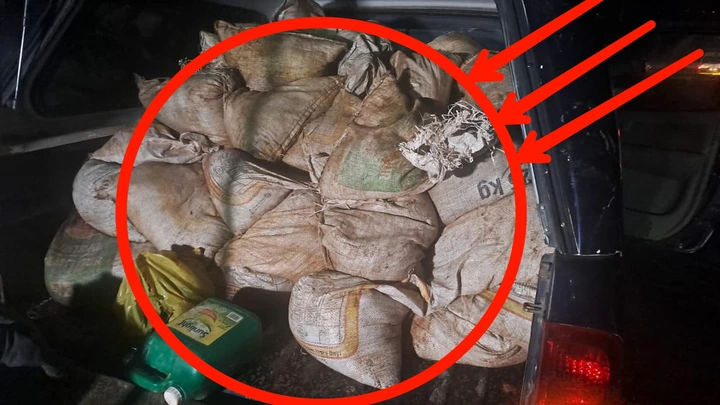
The inquiry has also heard accounts of luxury and heavily modified vehicles linked to individuals involved in the procurement network under scrutiny. Such assets are believed to be part of a broader trend of suspected illegal enrichment stemming from tender-related dealings.
Further claims point to the use of intermediaries to secure government contracts, especially in automotive supply chains, where companies reportedly gained unfair advantages through insider access.
Digital evidence, including WhatsApp messages and other communications, is currently under review. These materials allegedly show coordination between public officials and private individuals regarding state contracts.
Khan has not been found guilty of any crime, and the allegations against him remain unproven. He remains on suspension as investigations continue.
The Madlanga Commission is still gathering testimony to investigate potential corruption, misuse of power, and structural flaws in public procurement systems.
Officials have stressed that all individuals named in the inquiry are entitled to fair legal procedures, and conclusions will only be drawn after thorough and verified examination of the evidence.
The commission’s work will continue to focus on financial transactions, procurement decisions, and suspected networks of influence as it fulfills its mandate to examine corruption in the public sector.