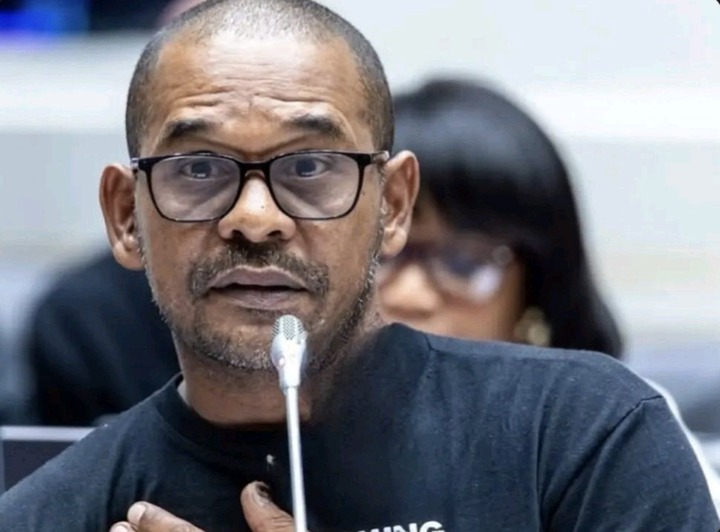
According to evidence and discussions surrounding the Madlanga Commission of Inquiry, calls are increasing for National Coloured Congress leader Fadiel Adams to be summoned to provide further information about a mysterious envelope reportedly delivered under a door at Parliament.
The alleged incident has attracted attention as the commission continues examining serious claims involving political figures, law-enforcement officials and possible interference in investigations. Questions remain about where the envelope originated, who delivered it and what information it allegedly contained.
Some observers following the proceedings believe Adams should testify directly before the commission to establish a clearer timeline and explain what he knows about the circumstances surrounding the reported delivery.
The calls come amid wider scrutiny of Adams’ involvement in matters connected to investigations being considered by the inquiry. His name has emerged in evidence concerning the origins of a Section 27 complaint that subsequently became relevant to an investigation involving senior Crime Intelligence officials.
Evidence presented before the commission indicated that Adams was approached regarding a complaint and later prepared a Section 27 affidavit. The circumstances surrounding that process have attracted scrutiny as the commission attempts to establish the roles played by different individuals and institutions.
The reported envelope has introduced additional questions, particularly regarding whether Parliament’s security infrastructure could provide independent evidence.
Observers have questioned whether surveillance cameras captured the alleged delivery and whether any relevant CCTV recordings have been preserved for examination.
Given the security measures surrounding Parliament, available footage could potentially help establish the sequence of events and identify whoever delivered the envelope. Such evidence could also confirm or challenge accounts provided by individuals connected to the incident.
However, until relevant witnesses testify and documentary or surveillance evidence is examined, the circumstances surrounding the envelope remain unresolved.
The Madlanga Commission has already heard significant allegations involving corruption, alleged criminal networks and interference within South Africa’s law-enforcement structures. The proceedings have consequently attracted substantial public attention because of their potential implications for the criminal justice system.
Against this background, pressure for Adams to appear could continue growing. His testimony may help clarify the origins of the envelope allegation, explain his involvement and identify others who might possess relevant information.
Attention will now focus on whether the commission decides to summon Adams and whether Parliament possesses CCTV evidence capable of establishing what happened. Until then, important questions surrounding the alleged envelope and the events connected to it remain unanswered.