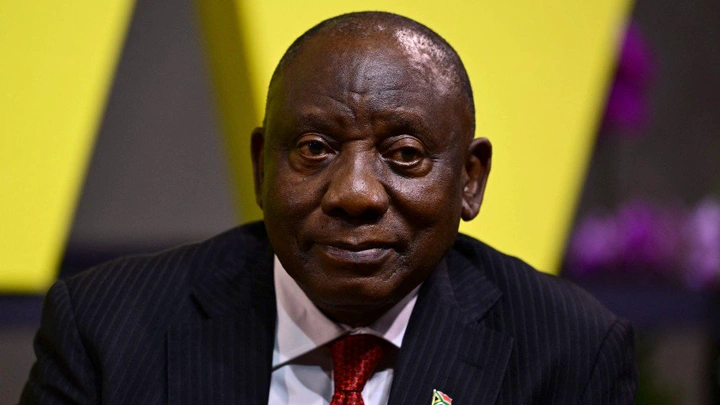

Nkosikhona Ndabandaba, an activist against illegal immigration, claims that his fight against unauthorised immigration has resulted in major personal costs for him. He claims that he is now getting death threats as a direct result of his activity.
Ndabandaba, who has emerged as a prominent voice in advocating for more stringent enforcement of South Africa’s immigration rules, said that the threats started as his campaign garnered national exposure. In light of the circumstances, he expressed worry for his own personal safety as well as the protection of those who are close to him.
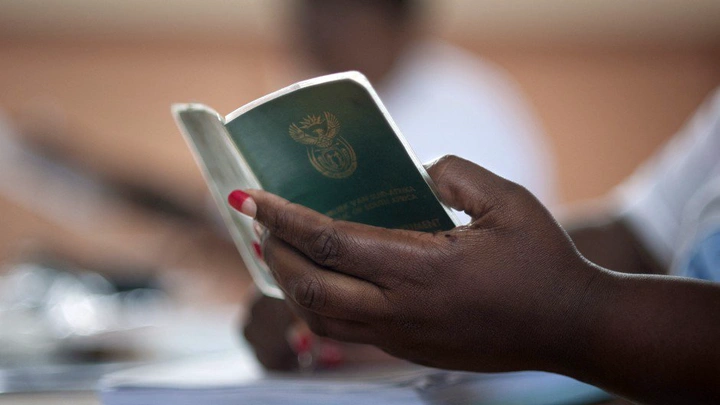
Ndabandaba claims that despite the claimed harassment, he is still dedicated to campaigning for increased border security and the implementation of immigration laws that is already in place. Throughout his campaign, he claimed that the primary objective of his campaign is to encourage the authorities to guarantee that South African law is followed and to provide job possibilities for residents the highest priority.
Those who are purportedly responsible for the threats have not been publicly identified by the activist, and the accusations have not been independently confirmed. Additionally, it is not apparent if official criminal charges have been filed with the South African Police Service in relation to the alleged intimidation.
Threats of death made against activists, public officials, or private persons are considered instances of criminal activity and should be investigated by the authorities in charge of law enforcement. It is possible for the police to evaluate the situation and take the necessary actions in line with the law when there are credible instances of threats.
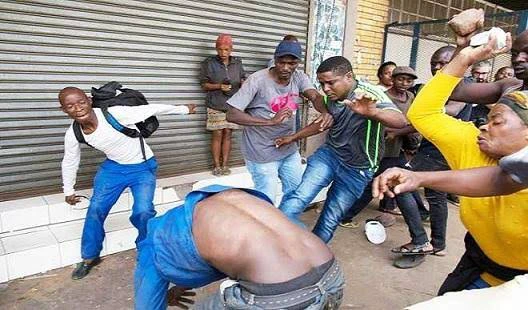
The Ndabandaba campaign has become a component of a larger national discussion taking place over the management of immigration borders, unemployment, and the provision of public services. Critics have warned against using language or doing acts that might lead to antipathy against foreign people, while advocates maintain that it is vital to implement immigration rules in a more stringent manner.
The topic of immigration continues to split public opinion, according to political commentators, with different views on how South Africa should strike a balance between economic concerns, constitutional rights, humanitarian duties, and the implementation of immigration regulations.
Throughout the course of the discussion, groups representing civil society have repeatedly encouraged all parties engaged to reject violence, intimidation, and hate speech. They have also emphasised that disputes should be handled via peaceful conversation and democratic methods that are in accordance with the law.
According to Ndabandaba, he has no intention of quitting his campaign, and he insists that he will continue to lobby for immigration changes that he considers to be essential. This is in spite of the claimed threats that have been delivered against him.
It has been strongly advised by the authorities that anybody who gets threats should report them to the police so that they may be thoroughly examined. Law enforcement authorities have reaffirmed that every individual in South Africa is entitled to the protection of the law regardless of their ideas or background, and that any illegal conduct should be dealt with via the court system. This is in response to the ongoing public discussion about immigration.