

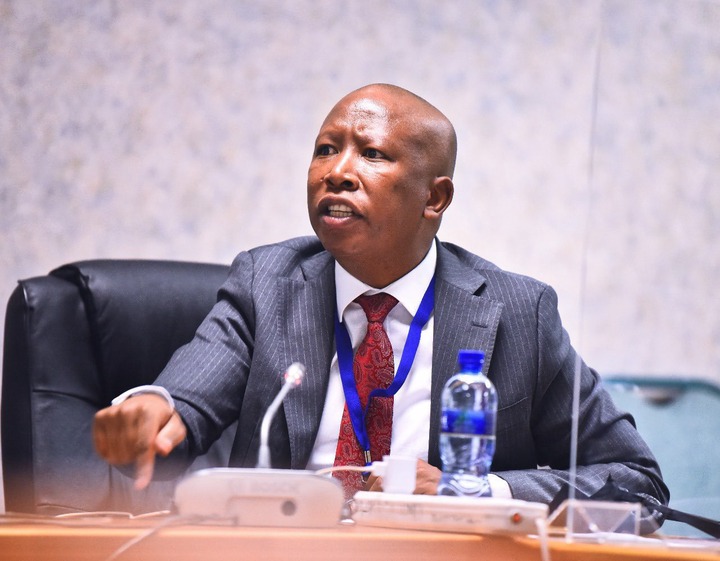
Businessman Jeff Ngobeni has publicly criticised Economic Freedom Fighters leader Julius Malema for his recent display of support towards Duduzile Zuma-Sambudla. The criticism, which was shared on social media, included a screenshot of a supportive message sent by Julius Malema in which he encouraged the former party member to remain strong while navigating complex adult challenges. In his commentary, Jeff Ngobeni alleged that the relationship between the two figures went beyond mere political support, using derogatory language to describe her as an intimate associate of the politician.
The situation escalated when Julius Malema reportedly issued a direct threat to the businessman following the circulation of his critical post. According to the reports, the leader of the opposition demanded that Jeff Ngobeni remove the post from the platform by mid-afternoon on the same day, accompanying the order with a warning of unspecified consequences if his directive was not followed. This public ultimatum has drawn significant attention to the power dynamics and the increasingly hostile nature of digital interactions between political figures and their critics.

This clash highlights the volatile environment on social media platforms, where private disputes are frequently escalated into public confrontations involving threats and allegations. The use of inflammatory language and the subsequent demand for the removal of content reflect a pattern of aggressive online conduct that has become characteristic of the discourse surrounding these high-profile individuals. The intense scrutiny and the rapid exchange of accusations underscore the fragility of professional decorum when personal and political grievances are aired in the public domain.

As this incident continues to circulate online, it has sparked a wider debate about the limits of free speech and the boundaries of political accountability on digital platforms. Supporters and detractors of both the businessman and the politician have weighed in, with many expressing concern over the implications of such public threats. The incident remains a focal point for those monitoring the political climate, as it demonstrates the ongoing friction and personal animosity that continue to define the digital engagements of South Africa’s most controversial public figures.


