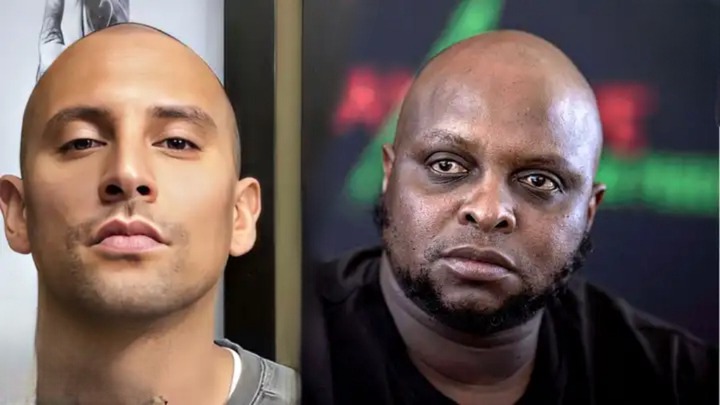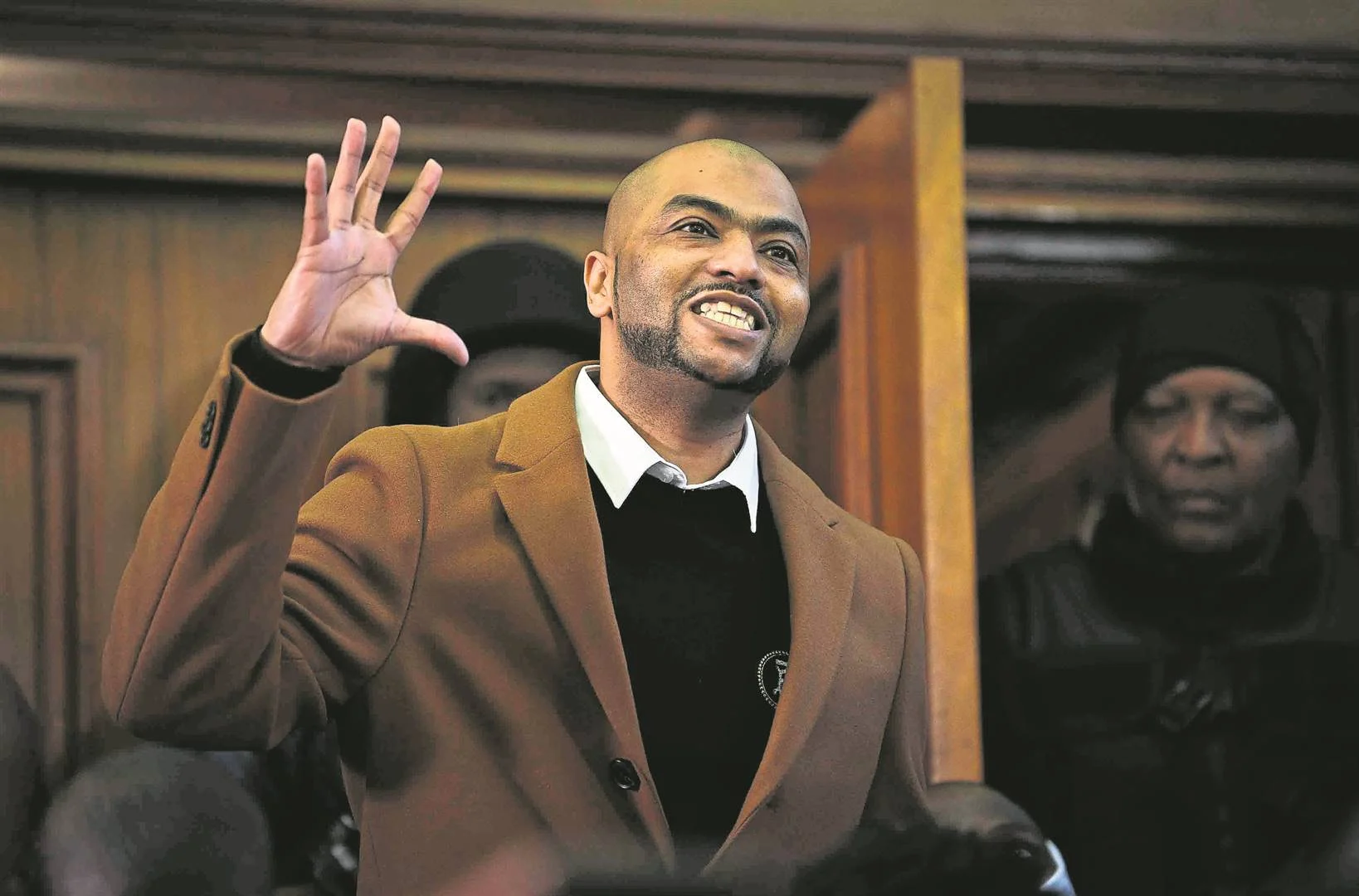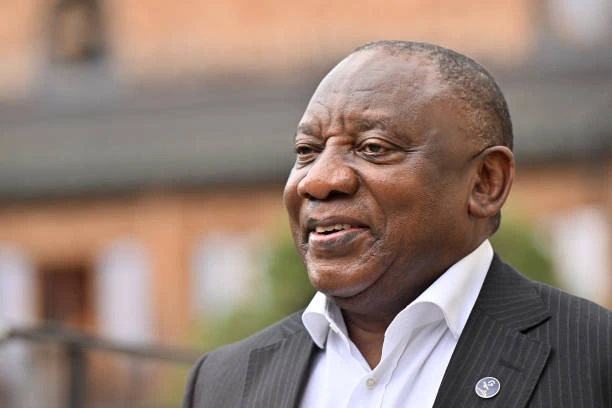
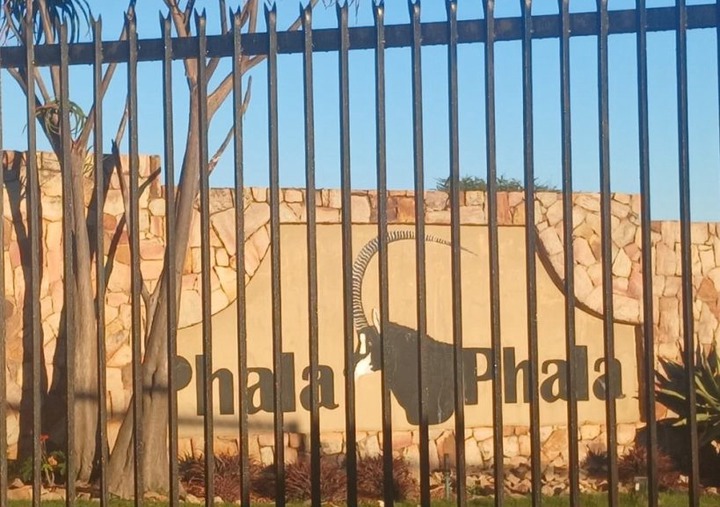
The Patriotic Alliance (PA) and the Al Jama-ah party have confirmed their participation in the parliamentary committee reviewing allegations surrounding President Cyril Ramaphosa and the Phala Phala farm incident. While both organizations have agreed to take their seats on the panel, both have explicitly stated that their presence should not be interpreted as an endorsement of removing the president from office.
This committee was created to determine whether there are sufficient legal and constitutional grounds to initiate formal impeachment proceedings against President Ramaphosa. The controversy stems from a 2020 burglary at his private game farm in Limpopo, where a significant amount of foreign currency hidden inside furniture was stolen. The incident led to intense public debate regarding the origin of the money, tax compliance, and the initial handling of the theft investigation.
Representatives from the Patriotic Alliance emphasized that while they respect Parliament’s duty to oversee the executive branch, they believe the current evidence does not meet the high legal threshold required for impeachment. The party stated that its primary goal on the committee is to guarantee procedural fairness and maintain total transparency throughout the investigation.
Al Jama-ah expressed a similar stance, framing its involvement as a commitment to due process rather than an effort to advance the calls for the president’s removal. The party highlighted the need for governance stability, warning that the process should not be used to achieve politically motivated outcomes.
The differing strategies within the committee mirror the complex dynamics of South Africa’s current political landscape. While opposition parties like the Economic Freedom Fighters (EFF) have consistently pushed for stricter accountability and immediate action against the president, other factions urge restraint, arguing that legal standards must be strictly followed before drawing any final conclusions. Political analysts point out that the nuanced positions of the PA and Al Jama-ah are typical of modern coalition politics, where smaller parties often choose to participate in oversight processes to maintain influence, even if they disagree with the ultimate objectives of the broader opposition. The committee is set to continue its review of the evidence before making a final recommendation to the National Assembly.