

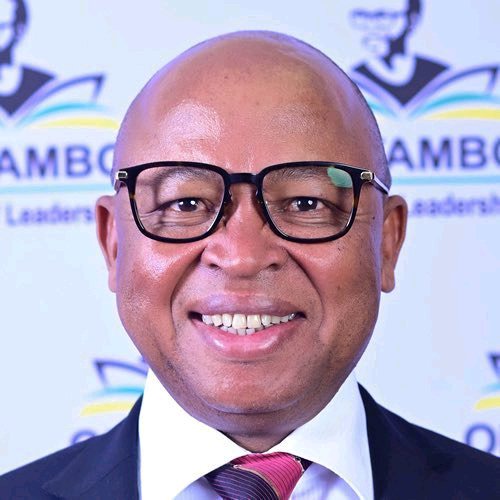
The already volatile landscape of South African law enforcement has been rocked by explosive allegations from former Crime Intelligence boss General Nhlanhla Mkhwanazi. In a candid and revealing interview, Mkhwanazi has moved beyond general complaints of interference, specifically pointing a finger at high-ranking political figures—Deputy Ministers—whom he accuses of having deep, corrupt ties to the ongoing SAPS scandal. His claims suggest that the rot within the police service is not just a matter of a few rogue officers, but is actively protected by political power players operating from the shadows.
At the heart of Mkhwanazi’s revelation is the disturbing concept of “buried evidence.” He alleges that critical intelligence and incriminating files that could expose high-level corruption within the South African Police Service have been systematically suppressed or destroyed. According to Mkhwanazi, this isn’t an accident or a result of administrative bungling; it is a deliberate strategy designed to shield those in power. By burying the evidence, these actors ensure that investigations either stall indefinitely or are closed without any repercussions for the guilty parties.
The specific mention of Deputy Ministers adds a dangerous new dimension to the saga. It implies that the interference experienced by honest officers like Mkhwanazi was not coming merely from within the police hierarchy, but was being directed by the very politicians tasked with overseeing the safety and security of the nation. This alleged collusion between the executive arm of government and criminal elements within the police creates a “silent power” dynamic where accountability is impossible. When those meant to enforce the law are controlled by those who write it, the system effectively breaks down.
Mkhwanazi’s decision to speak out is being viewed by many as a courageous act of whistle-blowing, albeit one that comes with significant risks. By naming the political forces behind the scandal, he is challenging a formidable establishment known for closing ranks. His testimony paints a picture of a service held hostage, where career progression depends on loyalty to corrupt networks rather than competence and integrity. The “silence” he refers to is the code of omertà enforced through fear, intimidation, and the strategic burial of truth.
As these allegations reverberate through the media, the pressure mounts on the current administration to respond. If Mkhwanazi’s claims hold water, it would necessitate a total overhaul of the relationship between the Ministry of Police and operational crime intelligence. For now, however, the public is left to grapple with the chilling reality that the people entrusted with their protection might be working in tandem with the powerful to bury the evidence of their own crimes. The question remains: will this latest revelation finally trigger the justice that has been so long delayed?


