

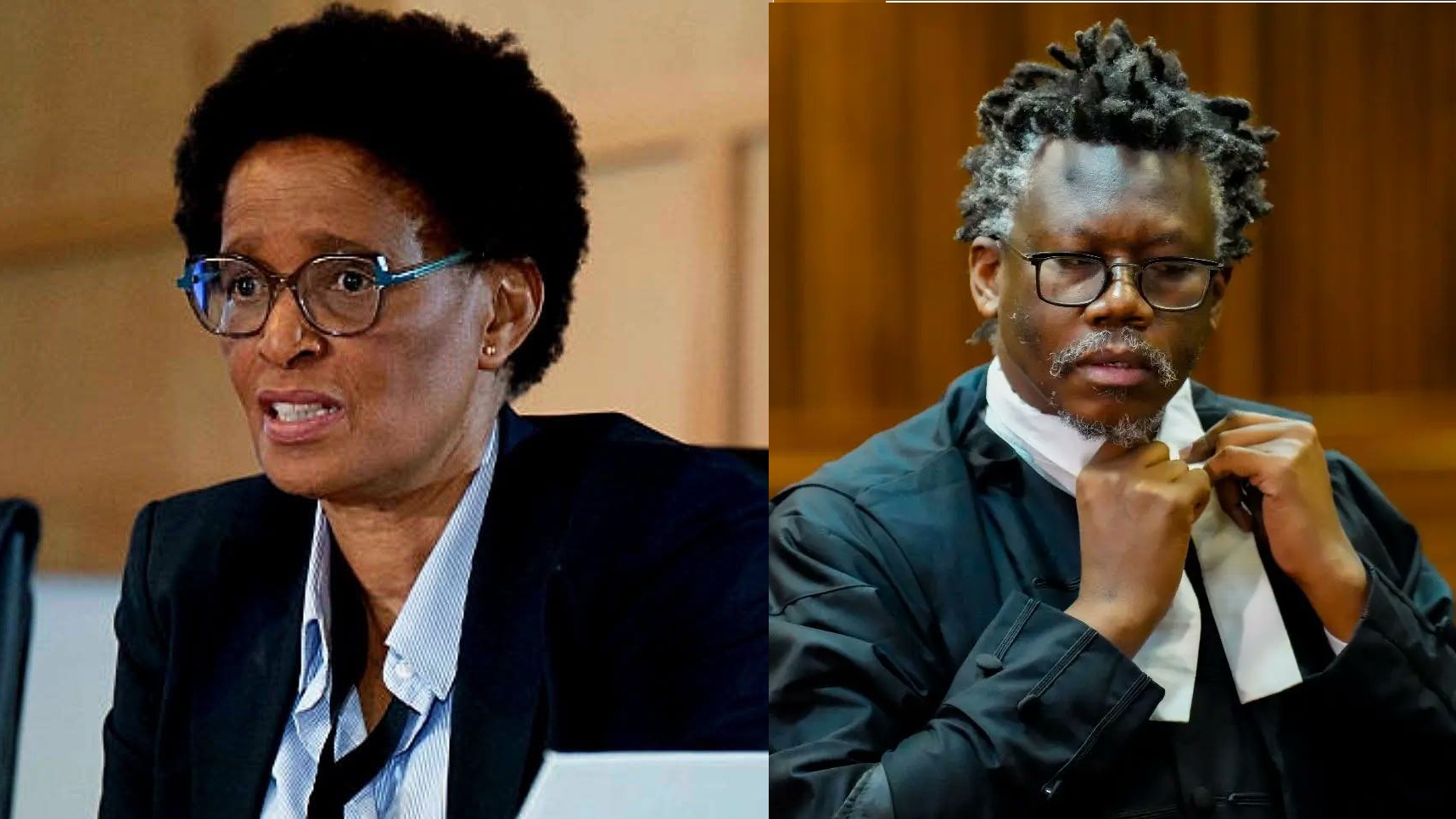
Public attention is intensifying ahead of Police Minister Senzo Mchunu’s return to testify before the Madlanga Commission of Inquiry, in what observers believe could become one of the most consequential sessions since the commission began its work. The upcoming hearing has generated widespread interest, particularly following confirmation that prominent constitutional law expert Tembeka Ngcukaitobi SC will represent the minister during the proceedings.
The commission, chaired by Mbuyiseli Madlanga, is tasked with examining allegations linked to political assassinations, the conduct of Crime Intelligence structures, and broader governance challenges within the police service. Mchunu’s testimony is expected to face rigorous scrutiny as investigators attempt to clarify key aspects of the allegations and determine whether systemic failures or political interference played a role in the issues under investigation.
Ngcukaitobi, widely respected for his sharp legal reasoning and composed courtroom style, is expected to mount a robust defence on behalf of the minister. His involvement has raised expectations that the upcoming session could feature complex legal arguments about the scope of questioning and the interpretation of evidence presented before the commission.
The commission’s evidence team, led by Advocate Sello, has also drawn significant attention for its firm management of the inquiry’s proceedings. During the previous session, tensions briefly surfaced when Ngcukaitobi attempted to introduce a new line of questioning related to the cancellation of a R360 million procurement process. Advocate Sello objected, arguing that the topic fell outside the previously agreed scope of examination. Her swift intervention underscored the commission’s efforts to maintain procedural order and ensure that testimony remains focused on relevant matters.
Legal analysts say the exchange highlighted the intense and methodical nature of the commission’s work. With the inquiry attracting growing national attention, Madlanga faces the delicate task of maintaining balance in the proceedings while safeguarding procedural fairness for all parties involved.
Observers anticipate a sharp exchange between Ngcukaitobi and the commission’s legal team as the hearings continue. Despite the legal manoeuvring expected in the coming sessions, the commission’s broader objective remains unchanged: to uncover the truth behind allegations of corruption, political interference, and institutional weaknesses within South Africa’s policing structures. As the next hearing approaches, the public is watching closely, aware that the credibility of the inquiry—and confidence in the justice process—may hinge on how effectively the commission navigates these critical proceedings.


