

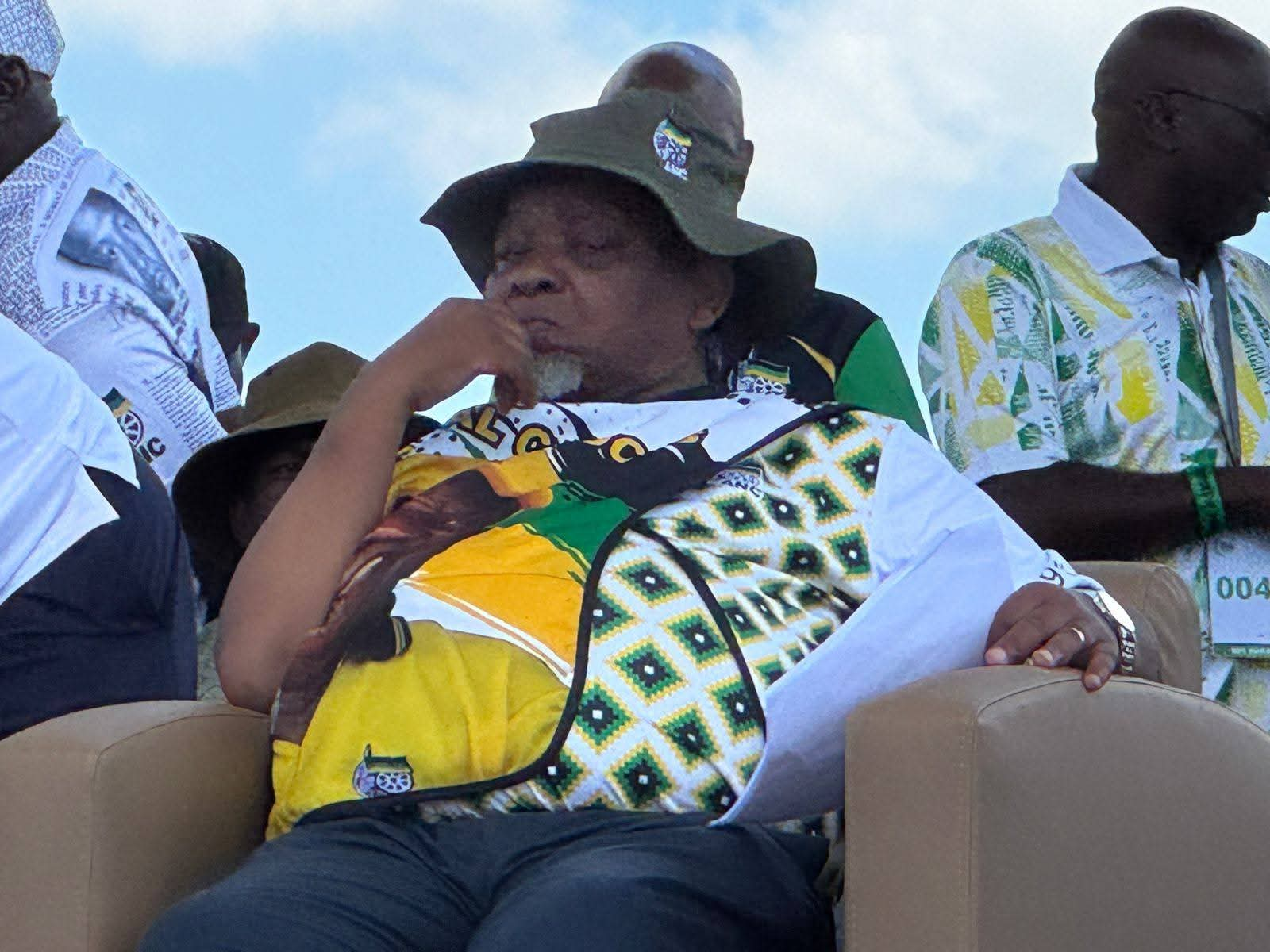
In a scathing open letter, activist Loyiso Gangatha has called out Tatu Gwede Mantashe for his recent remarks suggesting that South African youth are “lazy to look for jobs.” The letter, addressed directly to Mantashe, describes the comments as arrogant and emblematic of a broader ideological failure within the African National Congress (ANC).
Gangatha argues that Mantashe, once revered as a working-class hero, has become a “pseudo-communist and charlatan” who has betrayed the ideals of the National Democratic Revolution (NDR). The letter accuses him of contributing to the “ideological and political mutilation” of the ANC, sowing divisions, and frustrating the youth, who are described as the driving force behind the country’s revolutionary aspirations.
“Your arrogance further contributes to the downfall of the ANC as you are alienating its youth base,” Gangatha writes. The activist underscores the contradiction in Mantashe’s position, pointing out that while he admonishes young people for not finding work, his son benefited from a politically connected appointment on a SETA board. Meanwhile, millions of South African graduates face mounting debt, unemployment, and socio-economic pressures.
Open Letter to Gwede Mantashe
Dear Tatu Mantashe
I pen this open letter, in response to your arrogant assertion that: “Young people are lazy to look for jobs”. no mattet how much you can try to spin this – but it has exposed and justified that indeed you are a pseudo communist… pic.twitter.com/236kJ99Ysv
— Sihle Mavuso (@ZANewsFlash) January 12, 2026
Gangatha portrays Mantashe as emblematic of a generation that has “led the ANC into its downfall” by prioritizing personal and factional interests over the party’s revolutionary mission. He accuses the veteran leader of aligning with capital, abandoning the ANC’s transformative agenda, and losing the ideological clarity that once made him a respected figure.
The letter concludes with a plea for Mantashe to recognize the impact of his public statements. Gangatha urges the veteran leader to “show sympathy and understand the sensitivities of the things you say in public,” warning that unguarded rhetoric can exacerbate social unrest and further disengage the youth from political participation.
“Political content, when it leaves you, does not say goodbye,” Gangatha writes. “As you age, your ideological degeneration worsens, signaling a theoretical and ideological comma that is detrimental to society and the country at large.”
The open letter is likely to ignite further debate within the ANC and among South Africa’s politically active youth, highlighting ongoing tensions between the party’s veteran leadership and the emerging generation calling for accountability, transparency, and genuine socio-economic reform.


