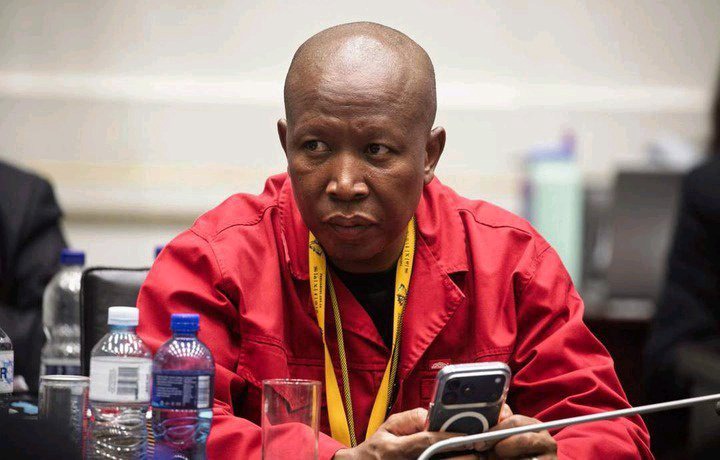
Economic Freedom Fighters (EFF) leader Julius Malema has once again stirred South Africa’s immigration debate after declaring that he would open the country’s borders to people from across Africa if elected president. declaring that he would open the country’s borders to people from across Africa if elected president. Speaking during an appearance on Queen Nandi’s podcast, Malema reportedly made it clear that his dream of a united Africa includes removing barriers that prevent Africans from moving freely between countries.
His remarks have brought fresh attention to one of South Africa’s most sensitive political issues, particularly at a time when immigration, unemployment and access to public services remain major concerns.
For Malema, the borders separating African countries represent more than geographical boundaries. He believes they continue to divide communities that share historical, cultural and economic ties. The EFF leader has consistently promoted pan-Africanism, arguing that Africans should have greater freedom to travel, seek employment, establish businesses and explore opportunities across the continent without facing unnecessary restrictions.
Supporters of this vision believe removing movement barriers could unlock Africa’s economic potential. They argue that stronger cooperation between countries could encourage trade, create employment opportunities and allow nations to benefit from each other’s resources and skills. However, the proposal also raises difficult questions that cannot simply be ignored.
South Africa is already dealing with serious challenges, including high unemployment, housing shortages, pressure on healthcare facilities and ongoing concerns about border management. For citizens struggling to find jobs or access basic services, the possibility of opening the borders further could become another source of frustration.
Critics may also question whether the government has the financial resources, infrastructure and administrative capacity to manage such a major policy change without placing additional pressure on struggling communities. There is also the issue of implementation. Opening South Africa’s borders to the continent would require significant legal reforms, proper administrative systems and cooperation with other African governments. It would involve far more than simply announcing that everyone is welcome.
The debate highlights two competing concerns: the desire for stronger African unity and the responsibility of governments to protect public services, maintain security and respond to the needs of their citizens.
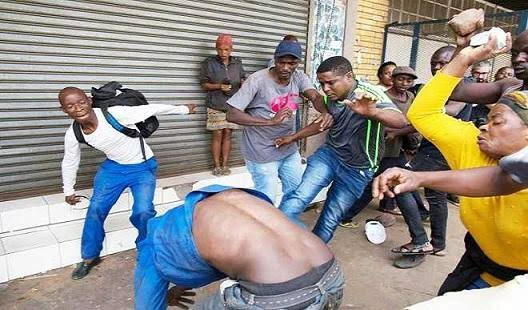
On social media, immigration discussions have increasingly become a political battleground, with opposing views often raising questions about national identity, economic opportunities and the treatment of foreign nationals. While Malema’s position reflects his long-standing political ideology, the practical consequences of such a policy deserve serious public scrutiny.
African unity remains an important aspiration, but questions about border security, fair access to opportunities and government accountability cannot be dismissed. Equally, legitimate concerns about immigration should not become an excuse for hostility towards foreign nationals. As South Africa continues to wrestle with these issues, Malema’s latest remarks are likely to keep the conversation alive.
But what do you think? Should South Africa open its borders to all Africans in the spirit of continental unity, or should Malema first explain how such a policy would protect jobs, public services and the interests of South African citizens?