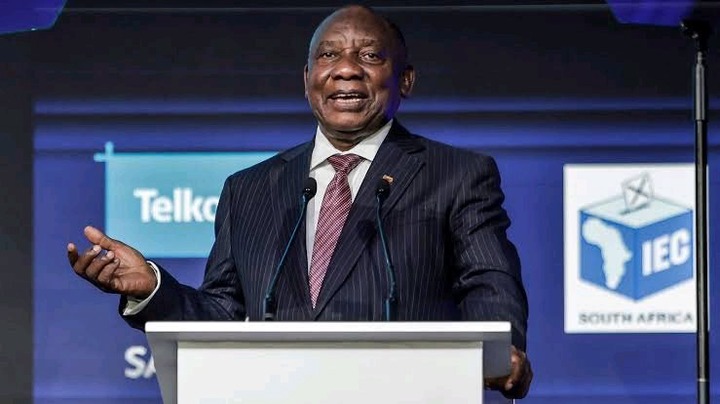

African National Congress Youth League (ANCYL) President Collen Malatji has sparked debate after reportedly criticising Capitec Bank, arguing that people who use its services may be helping to sustain financial networks associated with South Africa’s apartheid-era economic system.
Malatji allegedly made the remarks during an address in which he questioned the broader economic impact of choosing to bank with the financial institution. According to the claims attributed to him, supporting Capitec could contribute to maintaining established financial structures instead of advancing the economic interests of the majority of South Africans.
His comments have reignited discussions about economic transformation, wealth distribution and the responsibility of financial institutions to address inequalities inherited from the apartheid era.
Although apartheid officially ended in the early 1990s, South Africa continues to grapple with significant economic disparities, including unequal access to wealth, employment and business opportunities. These challenges have kept the transformation of the country’s financial sector firmly on the political agenda.
However, the specific evidence supporting Malatji’s alleged claims was not provided, and no detailed explanation was offered regarding the purported links between Capitec’s operations and apartheid-era financial networks.
His reported remarks have also raised questions about whether ordinary banking customers should be held responsible for the historical backgrounds, ownership structures or business practices of the institutions they use.
Capitec provides banking services to millions of customers, with many choosing the institution based on affordability, accessibility, transaction costs and convenience.
Consequently, the controversy has prompted broader questions about whether customers should be criticised for their banking choices without clear evidence of wrongdoing.
While some argue that financial institutions must do more to address historical inequalities, others believe political leaders should distinguish between banks’ ownership and business practices and the everyday financial decisions of ordinary citizens.
The debate highlights the continuing tension between South Africa’s economic transformation objectives and the practical considerations that influence consumers when selecting financial service providers.