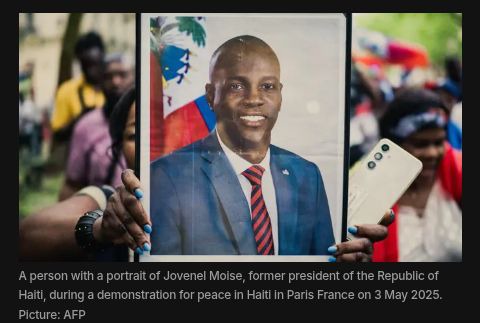
The United States has made a major move in its ongoing probe into the assassination of Haitian President Jovenel Moise, arresting 18 more suspects and bringing them to Florida for trial. This step, announced Sunday, shows a continuing push by American authorities to hold accountable those thought to have planned the 2021 attack.
So far, 30 people have been formally charged in connection with the killing, showing how long the legal process has been running. Those brought to the US include key figures such as Joseph Felix Badio, a former anti-corruption official, and many Colombian mercenaries, according to sources in Haiti and a statement from Colombia’s Ministry of Foreign Affairs.
The arrests show how international the investigation has become, with Colombia confirming its citizens were transferred while saying it did not take part in the process. The case, which began with a plot formed on American soil, is being pursued under charges that include conspiracy to kill or kidnap, along with violations of the US Neutrality Act.
The legal proceedings, which started with the conviction of four people tied to the private security firm CTU, point to a complex and drawn-out legal fight. These people were drawn into the plot by the promise of profitable contracts after Moise was removed from power.
The fact that eleven indictments have already been handed down shows how wide the conspiracy was. The situation in Haiti remains deeply troubled.
Five years after Moise’s assassination, the country is still struggling with instability, as gangs control a large part of Port-au-Prince and violent crime rates climb. The delayed deployment of a UN-backed armed force, meant to fight these gangs, makes the security problems even worse.
The coming elections, set for December, depend on security conditions, which shows how fragile the country’s state is. It is clear that the search for justice in this case is tied to the wider fight for stability and governance in Haiti.
The ongoing arrests and legal proceedings, while a step forward, are just one part of a much larger and deeply rooted crisis.