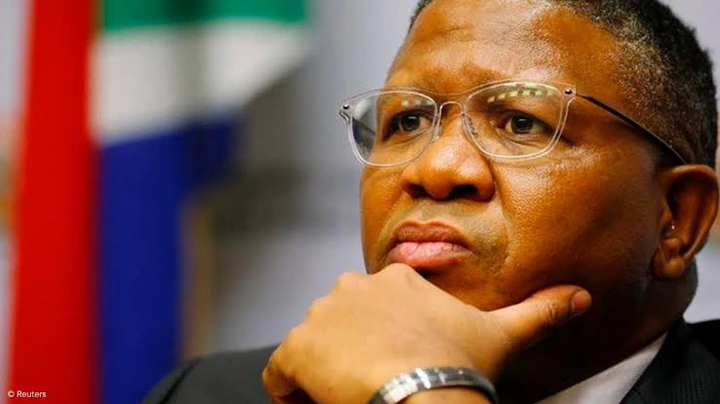
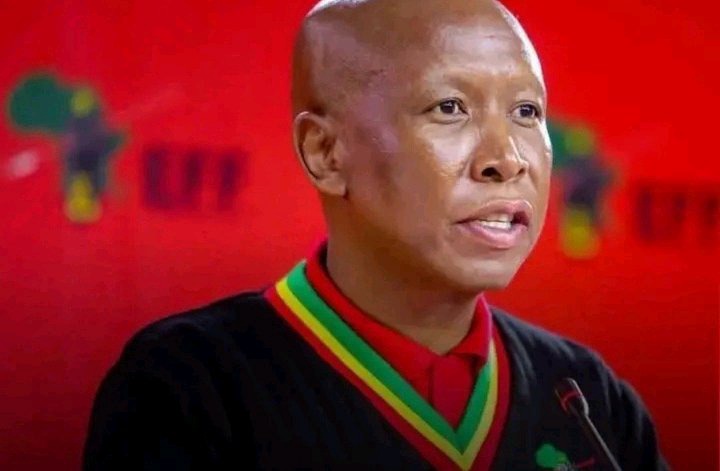
Julius Malema has criticised attempts to determine whether people are South African by testing their language ability or judging their appearance, arguing that such methods cannot reliably establish someone’s nationality.
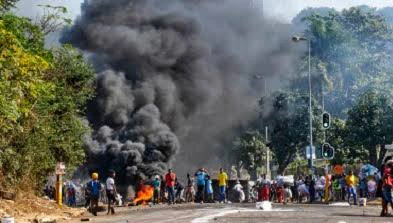
The EFF leader’s comments come during a period of intense debate over undocumented migration, border control and the treatment of foreign nationals in South Africa.
At the centre of the argument is a basic distinction that is sometimes lost in heated public discussions: speaking an indigenous South African language does not automatically prove citizenship, just as failing to speak one does not prove that someone is a foreign national.
South Africa has 12 official languages and a population with complex historical and regional connections. People can be born in the country without being fluent in every indigenous language, while citizens may also have family or cultural connections across national borders.
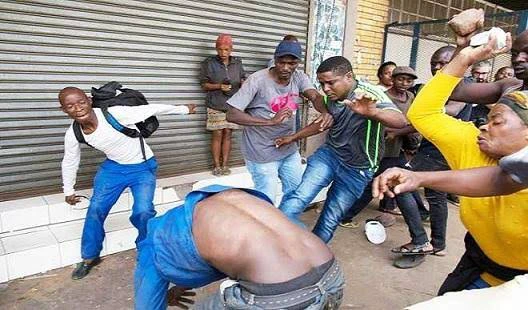
Malema has therefore challenged the practice of using language tests, skin colour or other informal characteristics to identify supposed foreigners.
The issue has become particularly sensitive because community groups and individuals have increasingly become involved in attempts to identify undocumented migrants themselves. But immigration enforcement is legally a responsibility of the state.
The South African government has repeatedly warned members of the public against taking the law into their own hands or demanding documentation and proof of nationality from other people. Officials have said immigration enforcement must be carried out through lawful state processes.
That does not mean the government has ignored undocumented migration. South Africa has intensified immigration enforcement, including border operations, inspections and the processing of undocumented foreign nationals. Government figures released in August said tens of thousands of undocumented foreign nationals had been arrested during 2026 operations, while thousands more had been repatriated or deported.
Malema’s position sits within that wider debate. He has also argued that undocumented migrants already living in South Africa should be documented so authorities can establish their identities and trace them when necessary. He repeated that argument at an EFF manifesto event on 19 September 2026, saying proper documentation could assist investigators when suspects cannot be identified through existing records.
The two positions are not necessarily contradictory. A political argument for documenting people through official systems is different from allowing individuals on the street to decide who looks or sounds foreign.
That distinction matters because an informal language or appearance test can produce mistakes, while an official identification system can rely on documents, biometric information and legally established procedures.
As South Africa moves toward the November 2026 local government elections, migration is likely to remain a prominent political issue. The challenge for both politicians and communities will be separating legitimate concerns about immigration enforcement from methods of identification that have no reliable legal basis.