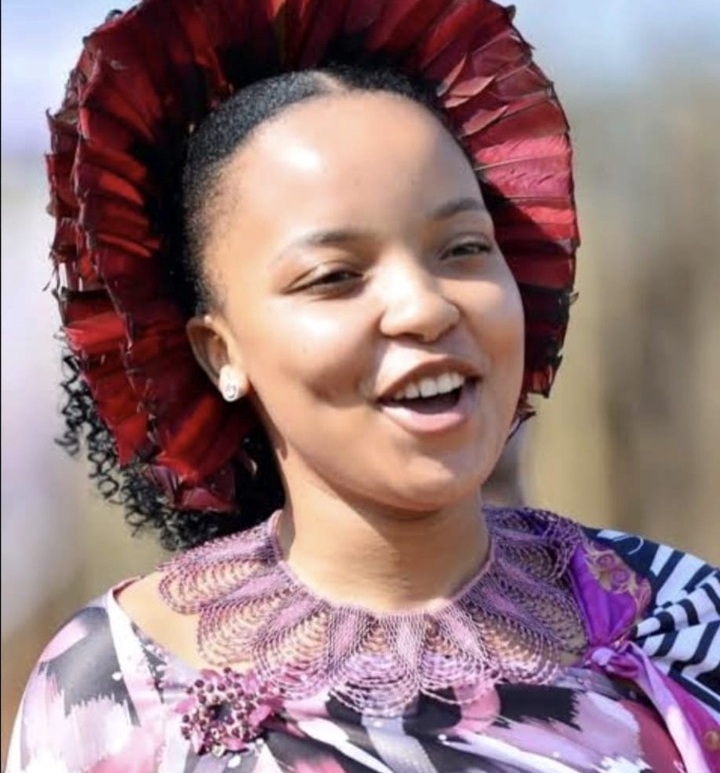
A high-level delegation representing AmaZulu King Misuzulu kaZwelithini has arrived in Nelspruit, Mpumalanga, to conclude the final round of lobola negotiations with the family of Princess Sihle Mdluli of the Mawewe royal house. The development marks a significant step towards a royal marriage that has attracted widespread public attention across South Africa.
The delegation’s visit is regarded as a key traditional milestone before the official marriage ceremony can proceed. According to reports, the discussions are aimed at finalising customary requirements between the Zulu royal family and the Mdluli royal house, paving the way for Princess Sihle to become the fourth wife of the reigning Zulu monarch.
The planned union is expected to strengthen ties between two respected royal families while reinforcing the importance of preserving African customs and traditions. Royal marriages within the Zulu Kingdom have historically carried cultural, political and symbolic significance beyond the personal lives of those involved.
Princess Sihle Mdluli is widely recognised as a member of the Mawewe royal family in Mpumalanga. Her marriage into the Zulu royal household is expected to place her among the queens of the kingdom and could see her play an important role in future royal affairs.
Beyond the ceremonial aspects, the marriage has sparked discussions about succession within the Zulu royal family. As one of King Misuzulu’s wives, Princess Sihle could potentially become the mother of a future heir to the Zulu throne, making the union particularly significant for the monarchy’s future.
King Misuzulu’s reign has remained under close public scrutiny since his ascension to the throne, with many developments surrounding the royal household drawing national interest. Despite ongoing legal and traditional debates involving the monarchy in recent years, preparations for this marriage appear to be progressing through established customary processes.
Cultural experts have noted that lobola negotiations are not merely financial arrangements but serve as an important expression of mutual respect between families and a formal recognition of the marriage under African customary law. The process also symbolises unity, commitment and the strengthening of relationships between royal houses.
While neither the Zulu royal household nor the Mdluli family has yet announced the official wedding date, the arrival of the king’s delegation in Mpumalanga signals that preparations have entered their final phase. If the negotiations conclude successfully, South Africans can expect another historic royal wedding that will further shape the future of the Zulu monarchy and celebrate the enduring significance of the country’s rich cultural heritage.