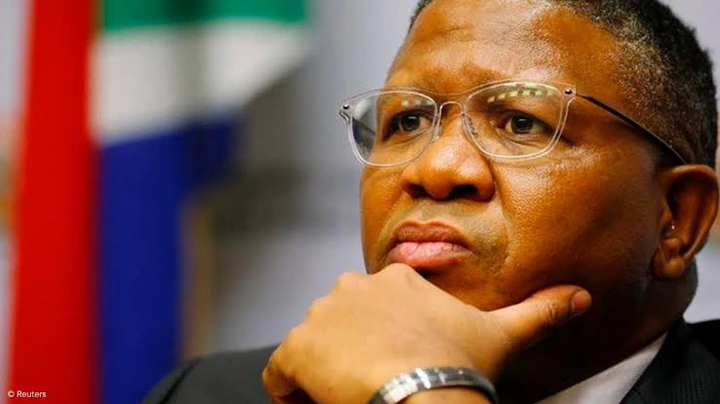
Naledi Shongwe has publicly accused Economic Freedom Fighters (EFF) leader Julius Malema of personally intervening to stop Fikile Khan from being questioned in Parliament. Shongwe, a former member of the EFF, made the allegations this week, claiming that the party leadership acted to shield Khan from parliamentary scrutiny despite corruption allegations linked to him.
According to Shongwe, the intervention was intended to prevent Khan from being held accountable during parliamentary proceedings. Her claims have sparked widespread discussion, particularly as Khan remains under investigation over alleged procurement deals reportedly worth hundreds of millions of rand.
The EFF has strongly rejected the allegations, insisting that the claims are unfounded. Reports suggest that some structures within the party are consulting legal advisers over the possibility of taking legal action against Shongwe. Sources indicate that the party would prefer Shongwe to publicly withdraw her statements or issue an apology before deciding whether to proceed with a defamation lawsuit. However, no official court documents have been filed, and Shongwe has not shown any willingness to retract her allegations.
If the claims were to be substantiated, they could place Malema at the centre of a significant corruption-related controversy. Such a development would be particularly damaging for the EFF, a party that has consistently positioned itself as a vocal critic of corruption within other political organisations.
The allegations have generated mixed reactions among members of the public. Some believe the accusations themselves are less damaging than the party’s reported consideration of legal action against a former insider, arguing that such a response could raise further questions. Others maintain that making serious allegations without presenting evidence unfairly harms the reputation of both the party and the individuals involved.
The controversy has also reignited debate over whether individuals should publicly accuse influential political figures without immediately providing supporting evidence. Supporters of legal proceedings argue that a court process could help establish the facts by either confirming or disproving Shongwe’s allegations. On the other hand, critics warn that the threat of legal action against whistleblowers may discourage people from reporting suspected corruption, especially in cases where evidence may take time to emerge. At this stage, the allegations remain unproven, and no court has ruled on the claims.