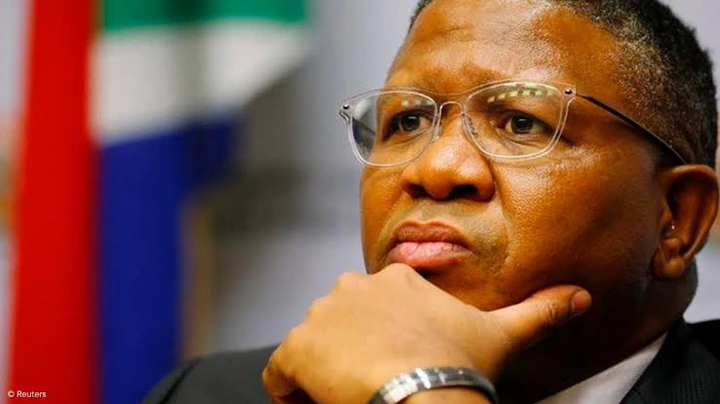
A growing political opinion has accused President Cyril Ramaphosa and ANC Secretary-General Fikile Mbalula of placing National Assembly Speaker Thoko Didiza in an increasingly difficult position by expecting her to defend controversial decisions that could ultimately damage her political legacy.
The criticism argues that Didiza’s continued defence of decisions viewed by some as controversial risks overshadowing the reputation she has built over decades in public service. According to this perspective, remaining steadfast in support of party leadership during politically sensitive moments may leave her vulnerable to the same fate experienced by former senior ANC leaders Baleka Mbete and Nosiviwe Mapisa-Nqakula, whose political careers ended under difficult circumstances.
The opinion further claims that the ANC has a history of senior male leaders relying on women to defend contentious decisions during periods of political crisis, only for those women to bear the public and political consequences when controversy intensifies.
Supporters of this view argue that such a pattern reflects a broader problem within the governing party, where women are often expected to shield leadership from criticism while carrying significant reputational risks. They believe this approach is unfair and undermines the contributions of experienced female leaders.
However, others reject the accusation, maintaining that Didiza serves as Speaker of the National Assembly and is constitutionally required to carry out her responsibilities independently and in accordance with parliamentary rules. They argue that her decisions should be assessed on their legal and procedural merits rather than viewed solely through the lens of internal ANC politics.
The debate has added to ongoing discussions about accountability, leadership, and gender dynamics within South African politics. It also raises broader questions about whether senior political figures receive equal support when faced with public scrutiny or whether some leaders are left to shoulder the burden alone.
Neither Ramaphosa, Mbalula, nor Didiza has publicly responded to the specific claims expressed in this opinion. As political tensions continue, the discussion is likely to fuel renewed debate over leadership responsibility and the treatment of women in positions of power within the ANC.