After arguing in court that Julius Malema’s discharge of a firearm during a political rally was a planned and purposeful act rather than an accident, the EFF leader is now facing the potential of a five-year prison sentence. This is because the prosecution contended that the discharge was not an accident.
An event in which Malema was observed discharging what the authorities believe was a real firearm during celebrations at a full stadium is at the center of this case, which has garnered a large amount of attention from the public and political figures. As a result of the prosecution’s contention that the evidence reveals evident intent and preparation, the state’s cause for a conviction is strengthened.
An indication that the crime was premeditated is provided by the fact that the firearm that was involved in the incident was brought to the location before the event, as stated in the court documents. Prosecutors additionally contended that video footage from the gathering captured the moment the firearm was discharged, which provided the court with essential visual evidence to take into consideration.
The state has also relied on ballistic evidence, saying that forensic studies found ties between the firearm seen in the clip and ammunition recovered from the site. This evidence was gathered by ballistic analysis. These pieces of evidence, according to the prosecution, lend credence to their contention that the firing of the firearm was both purposeful and illegal.
During the course of the hearings, the prosecution emphasised that public personalities have an obligation to uphold the law and to serve as a model for those who support them. According to their argument, shooting a weapon in a crowded area is a serious offence that should be treated as such because it creates serious threats to people’s safety.
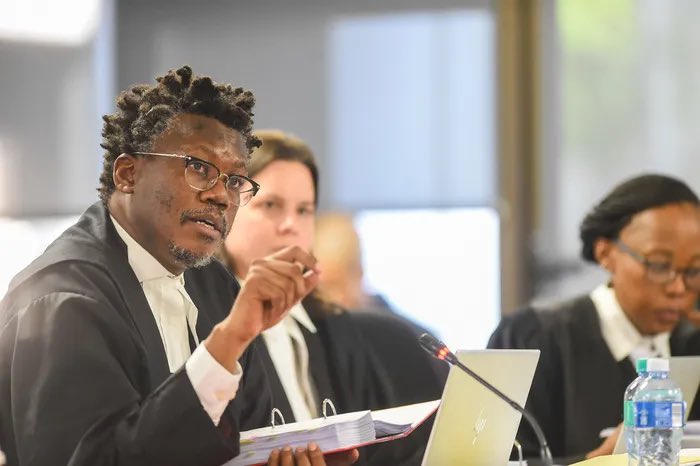
On multiple occasions, Malema has denied any misconduct, and his legal team has contested various portions of the state’s case. The defence has raised concerns about the way the evidence has been interpreted and has contended that the prosecution has not provided substantial evidence that criminal intent was there.
As a result of Malema’s position in national politics and the wider discussion regarding firearm use and public responsibility, this subject has continued to be one of the most keenly watched court matters in South Africa.
According to the opinions of legal experts, Malema might be subject to a term of up to five years in prison if he is found guilty of the charges that are currently before the court. However, the sentence would ultimately be determined by the individual conviction, the circumstances surrounding the offence, and any mitigating reasons that were presented during the process.
The consideration of the court’s evaluation of the camera evidence, the ballistic findings, and the testimony of witnesses continues to be the primary focus of attention as the case progresses. It is anticipated that the verdict will have substantial political and legal repercussions, in addition to reiterating the significance of legislation governing firearms and appropriate behaviour in public places.