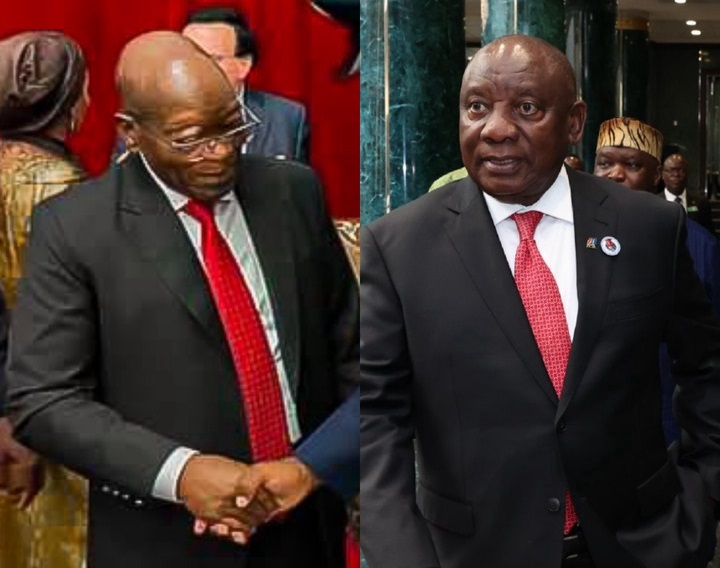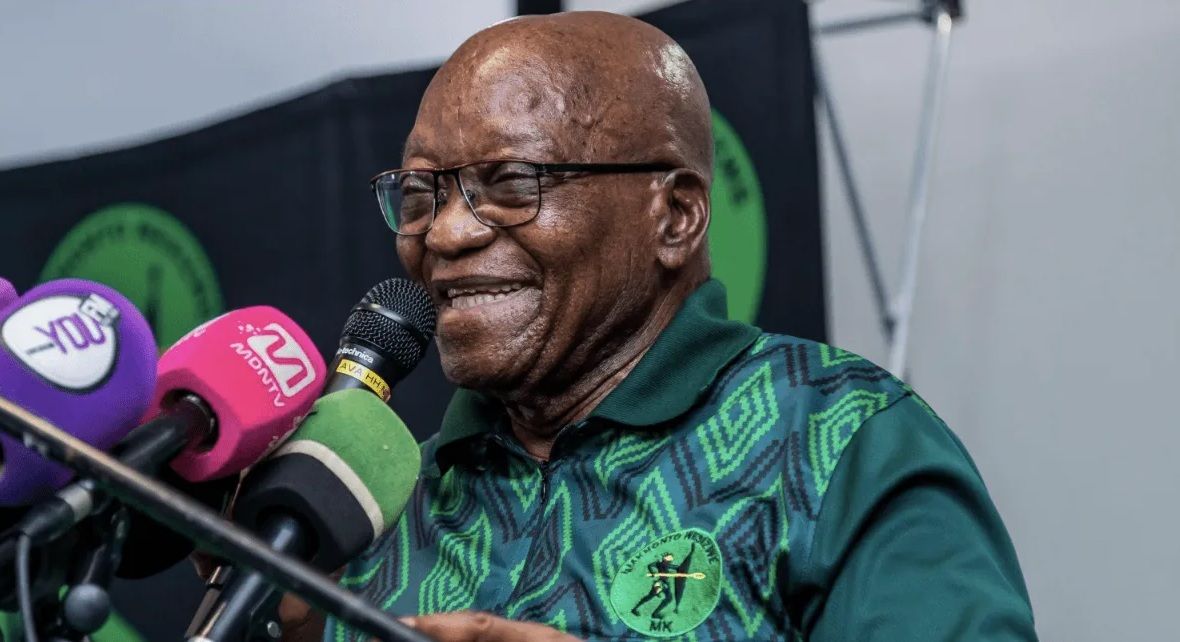
Former South African President Jacob Zuma has shared his thoughts on his relationship with President Cyril Ramaphosa, reflecting on their shared political history, differences in leadership perspectives, and the challenges currently facing the country.
Speaking during a recent public engagement, Zuma recalled working alongside Ramaphosa during the anti-apartheid struggle and the early years of South Africa’s democracy. While acknowledging their long association, he noted that their political views later diverged, leading them to adopt different approaches to governance and the future direction of the country.
Zuma emphasized that disagreements among political leaders are a normal part of democratic systems. He argued that his criticism of the current administration should be viewed within the context of broader debates about policy, economic transformation, and governance rather than as a personal dispute.
The former president expressed concern about ongoing socio-economic challenges, including unemployment, poverty, and inequality. He maintained that greater efforts are needed to improve living conditions and create opportunities, particularly for young people seeking employment and economic advancement.
Discussing his relationship with Ramaphosa, Zuma said political differences should not prevent leaders from respecting democratic institutions and engaging in constructive dialogue. He pointed out that both men share a common history rooted in the liberation struggle and a commitment to South Africa’s development.
Zuma also reflected on the state of the African National Congress (ANC), warning that the party faces important challenges as it seeks to retain public trust and adapt to a changing political environment. He called for unity among party members and leaders to strengthen the organisation.
In addition, he commented on the growth of new political movements, noting that democracy gives citizens the freedom to support parties and leaders they believe best represent their interests.
His remarks are expected to fuel further discussion about South Africa’s political future, leadership, and the evolving relationship between two of the country’s most influential political figures.