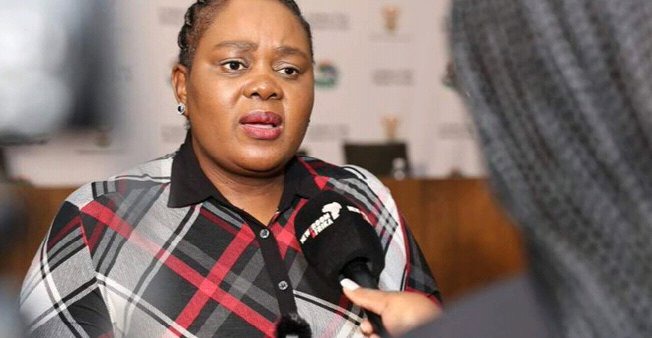
The Investigating Directorate Against Corruption (IDAC) has firmly rejected claims that a warrant of arrest was issued for KwaZulu-Natal Police Commissioner Nhlanhla Mkhwanazi, even as Justice Minister Mmamoloko Kubayi has reportedly demanded an urgent report on the charges against Crime Intelligence boss Lieutenant-General Dumisani Khumalo. The dramatic developments follow a chaotic scene at the Brooklyn Police Station in Pretoria on Thursday, where Khumalo and Major-General Nosipho Madondo presented themselves expecting to be arrested—only to be sent home after IDAC officials failed to appear. The confusion has exposed deep tensions between law enforcement agencies, with Mkhwanazi declaring: “We are facing a war”.
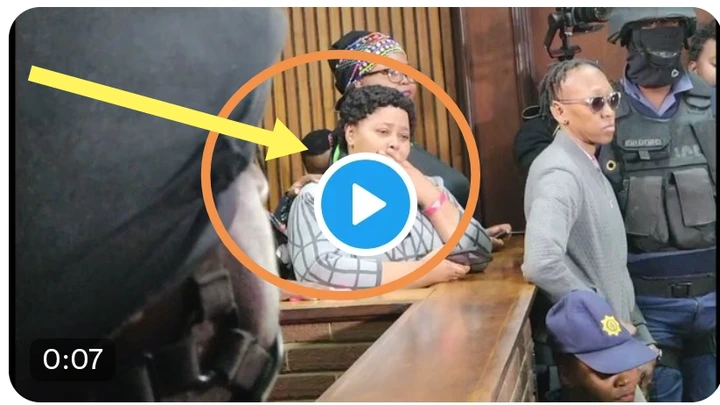
The saga began when Khumalo and Madondo received phone calls from an IDAC official instructing them to report to the Brooklyn Police Station, with instructions to bring overnight bags as they were expected to spend the night in custody. However, upon arrival, confusion ensued. Their lawyer, James Ndebele, said IDAC officials were nowhere to be found to process the arrests. Instead, they received a phone call from a person claiming to be a chief investigator, advising them that they had been instructed by IDAC’s senior management not to execute the warrants that day. Ndebele described the ordeal as “embarrassing” for his clients, who had been put through unnecessary legal costs.
IDAC has maintained that Khumalo had not been arrested, nor had anyone else from Crime Intelligence. However, the directorate later confirmed that warrants of arrest were indeed issued against Khumalo and Madondo only—and no one else from the SAPS. NPA spokesperson Kaizer Kganyago said there were plans to arrest Khumalo, but the execution was suspended because the affected officers were part of the Justice, Crime Prevention and Security cluster team preparing for national protests. The apparent about-turn has drawn sharp criticism from Khumalo’s legal team, who feel their clients have been “abused” by IDAC.
Mkhwanazi, who travelled to Pretoria to witness events firsthand after receiving intelligence that IDAC had given itself 48 hours to arrest him and Khumalo, has questioned the integrity of the process. “They can get phone calls to come to the police station and an hour later get phone calls not to come anymore because of some intervention from some senior people somewhere,” he said. Mkhwanazi suspects IDAC’s attempt to arrest him and Khumalo may be linked to an investigation they have been conducting into three IDAC officials. He insisted that police officials are not immune from investigation but that any action must follow due process.
As the dust settles, Justice Minister Mmamoloko Kubayi is reportedly seeking an urgent report on the charges against Khumalo, while Ndebele has demanded answers from IDAC regarding why his clients were summoned only to be left waiting. The case has become a flashpoint in the ongoing institutional warfare between the SAPS and the NPA’s anti-corruption unit. With phone records showing calls were made both to summon the generals and to call off their arrests, the public is left questioning whether justice is being pursued—or whether political scores are being settled behind the scenes.