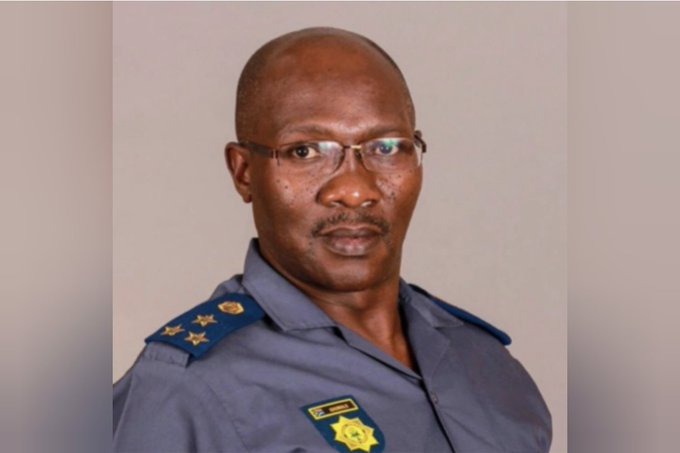
Rumors of Lieutenant General Dumisani Khumalo’s re-arrest have been swiftly debunked by the Investigating Directorate Against Corruption (IDAC), a move that underscores the ongoing challenges in verifying information circulating within South Africa’s law enforcement circles.
The Directorate confirmed this afternoon that no such arrest took place, and that no other officials from Crime Intelligence were detained.
The initial reports, which rapidly spread across social media and some news outlets, suggested that Khumalo, the suspended Divisional Commissioner of Crime Intelligence, had been apprehended.
However, IDAC’s statement clearly indicated that these claims were unfounded.
The situation surrounding Lieutenant General Khumalo remains complex, particularly given his prominent role in exposing the “Big Five Cartel” during the Madlanga Commission.
Khumalo’s testimony, delivered under oath, provided crucial evidence linking senior SAPS officials to widespread corruption involving the illegal trafficking of rhino horn and other wildlife products.
This investigation, which concluded several years ago, resulted in numerous arrests and significant public outcry regarding the systemic corruption within the South African Police Service.
The fact that Khumalo was once again the subject of such intense speculation highlights the continued vulnerability of those attempting to expose corruption within the institution.
It is increasingly apparent that the rapid dissemination of information, particularly through unverified channels, poses a serious threat to the integrity of investigations and the public’s understanding of complex legal proceedings.
The IDAC’s immediate response is a necessary step in mitigating the damage caused by these false reports, but it also raises fundamental questions about how information is handled and circulated within law enforcement and the media.
The sheer volume of speculation surrounding Khumalo’s case suggests a deep-seated distrust of official narratives, a sentiment that demands careful consideration.
Furthermore, the persistent attempts to discredit Khumalo’s work – a man who bravely brought a significant criminal network to light – are deeply concerning.
It appears a concerted effort is underway to undermine his credibility and, by extension, the evidence he presented.
The Directorate’s denial serves as a crucial safeguard, preventing the spread of misinformation that could potentially prejudice any future legal proceedings.
It is imperative that journalists and the public alike prioritize verification and rely on credible sources when reporting on sensitive matters involving law enforcement and allegations of corruption.
The case of Lieutenant General Khumalo serves as a stark reminder of the ongoing battle for transparency and accountability within South Africa’s justice system.