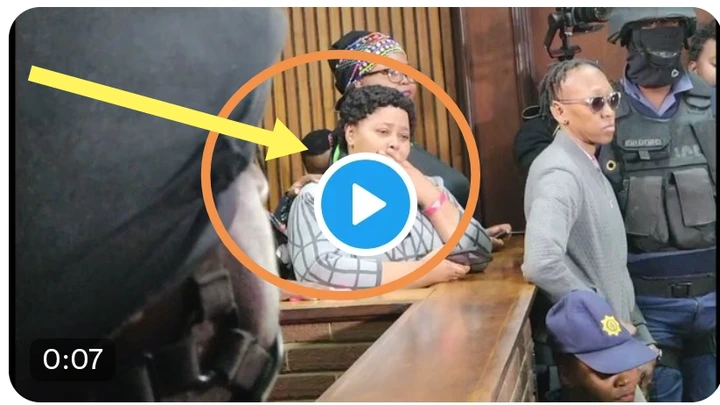
A dramatic moment unfolded at the ongoing proceedings of the Madlanga Commission as senior KwaZulu-Natal Hawks official Lesetja Senona delivered a striking account of how he was removed from his office, claiming he was taken out under armed force following his suspension.
Senona, who once held a senior leadership role within the Directorate for Priority Crime Investigation, widely known as the Hawks, told the commission that his removal was not a routine administrative process. Instead, he described a tense and unsettling situation in which he was allegedly escorted out of his workplace at gunpoint.
According to his testimony, the events unfolded shortly after he was informed of his suspension. He told the commission that he was still processing the decision when, in his account, armed individuals arrived and instructed him to leave his office immediately. He suggested that the situation escalated quickly, leaving little room for discussion or formal clarification at the time.
His claims immediately drew attention inside the commission, with legal observers and attendees noting the seriousness of allegations involving armed enforcement during what is typically an internal administrative procedure. The testimony raised immediate questions about whether standard disciplinary protocols were followed and what authority governed the manner of his removal.
The Madlanga Commission, which is investigating allegations of misconduct, abuse of power, and possible irregularities within parts of South Africa’s criminal justice system, has in recent weeks heard a series of high-profile and sometimes conflicting accounts from senior security officials. Senona’s testimony added another layer of controversy to an already closely watched inquiry.
One of the key issues emerging from his account is the question of command responsibility. If armed personnel were indeed involved, it remains unclear who authorized their deployment, under what legal justification, and whether the action aligned with established procedures governing suspensions within elite policing units such as the Hawks.
At the time of his testimony, there had been no public confirmation or detailed counter-account addressing the specific circumstances he described. This has left several gaps in the narrative that the commission is expected to probe further through additional witnesses and documentary evidence.
As proceedings continue, attention now shifts to how other officials and witnesses will respond to Senona’s version of events and whether his claims will be supported, clarified, or disputed in subsequent sessions.