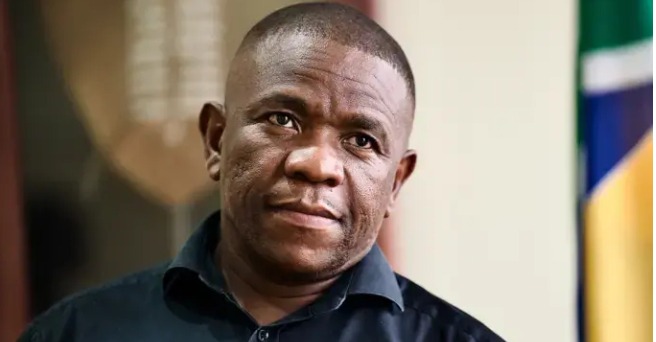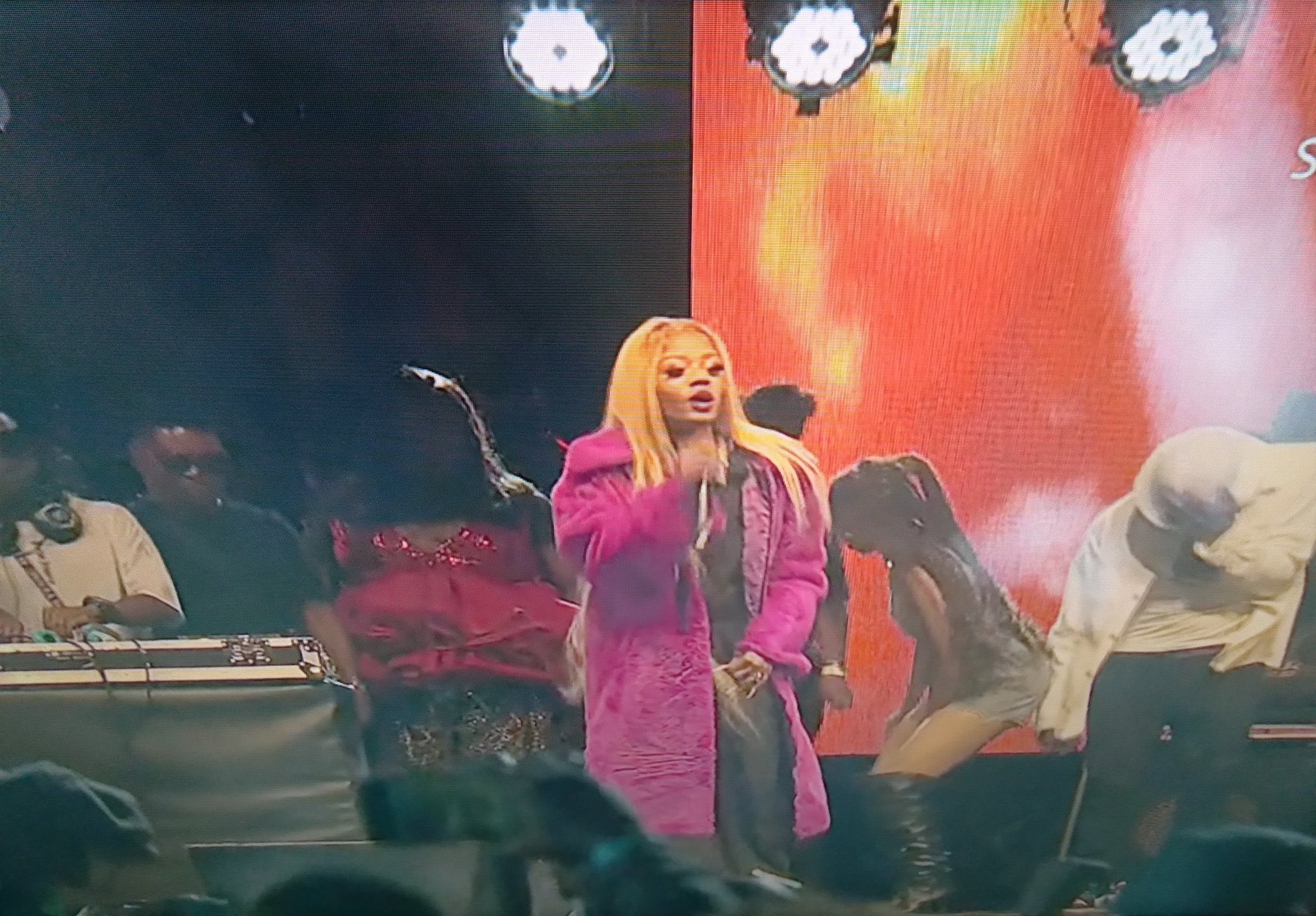
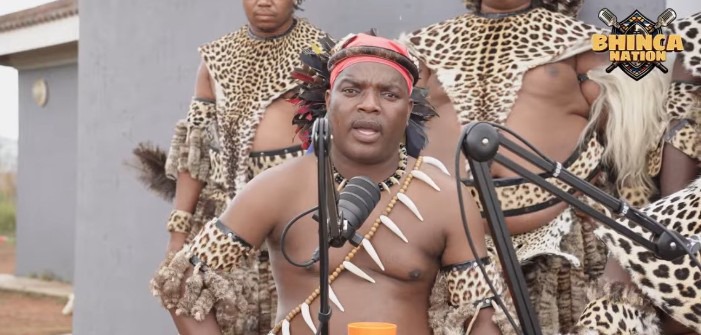
Ngizwe Mchunu, a prominent and often controversial South African media personality and activist, has sparked a fresh national conversation after suggesting that the Zulu nation should hold greater political power because of its large population size. During a discussion on history, identity, and political representation, Mchunu remarked that the Zulu people were naturally supposed to rule South Africa because of their demographic numbers.
The statement quickly gained traction across social media platforms and within political circles, eliciting a wide range of reactions. Supporters of Mchunu’s perspective view the comments as a reflection of democratic realities, arguing that larger communities naturally expect a corresponding level of influence and representation in national leadership. For others, the remarks were seen simply as an expression of deep cultural pride rather than a literal demand for political dominance over other groups.
However, the comments have also drawn substantial criticism from those who argue that South Africa’s constitutional democracy is built on the core values of equality, non-racialism, and unity. Critics emphasize that national leadership must be determined through free and democratic election processes rather than ethnic or tribal numbers. They warn that filtering political power through ethnic lenses could undermine social cohesion and promote division.
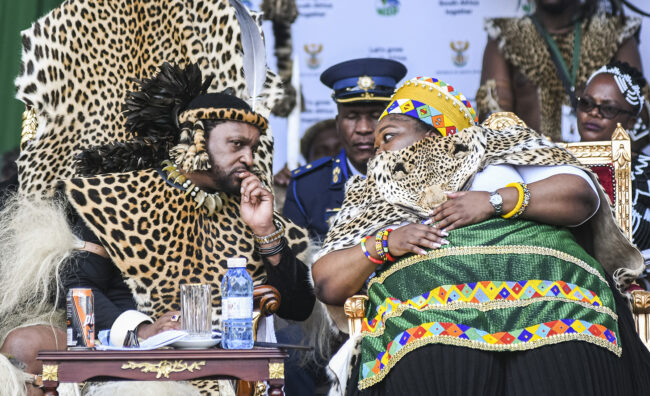
Political analysts point out that discussions involving ethnicity and governance are highly sensitive due to South Africa’s complex history. As the country’s largest cultural group, the Zulu nation has long played a pivotal role in the nation’s political and social evolution, making representation a recurring theme in national debates, particularly within the KwaZulu-Natal province. Mchunu’s latest intervention highlights how the balance between honoring distinct cultural identities and maintaining a unified constitutional democracy remains a closely watched and deeply debated issue across the country.