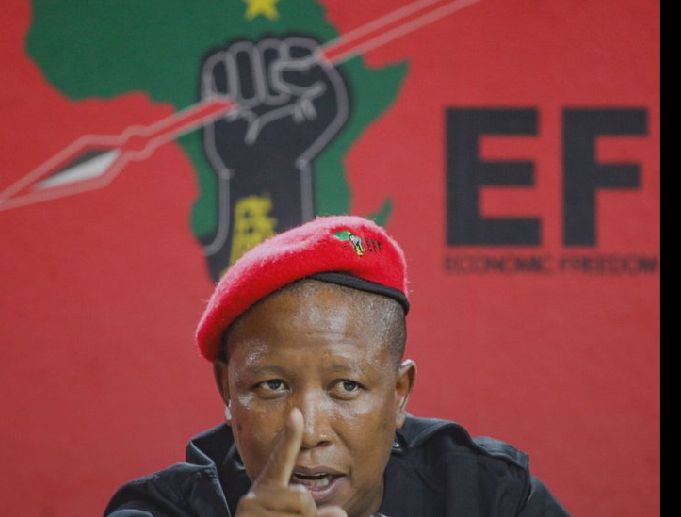
Economic Freedom Fighters (EFF) leader Julius Malema has reignited debate over employment and procurement policies in South Africa after criticising the alleged awarding of municipal tenders and jobs to foreign nationals.
Speaking during a recent public engagement, Malema claimed that opportunities within the Polokwane Municipality had been unfairly directed to Zimbabwean nationals at the expense of local residents. He argued that South Africans, particularly those living in the municipality, should be prioritised for economic opportunities funded by public resources.
“He took all tenders in Polokwane Municipality and gave them to Zimbabweans. Zimbabweans must go and get their jobs in Harare, Zimbabwe,” Malema said during his remarks.
The statement has sparked discussion on social media and within political circles, with supporters applauding his stance on local economic empowerment, while critics have raised concerns about the potential impact of such rhetoric on social cohesion and relations between South Africans and foreign nationals.
Malema has consistently advocated for greater economic participation by South Africans, particularly young people who continue to face high levels of unemployment. The EFF leader has previously called for stricter oversight of public procurement processes and has argued that municipalities should ensure that local communities benefit directly from government-funded projects.
The remarks come amid ongoing national conversations about unemployment, service delivery, and the role of foreign nationals in South Africa’s economy. Several communities across the country have voiced concerns about limited job opportunities, leading to increased scrutiny of hiring practices in both the public and private sectors.
However, legal experts and human rights advocates have cautioned that employment and procurement decisions must comply with South African laws and constitutional principles, including protections against discrimination. They argue that while local economic development remains a legitimate policy objective, public discourse should avoid language that could fuel tensions between communities.
Neither the Polokwane Municipality nor representatives of the individuals referred to in Malema’s comments had publicly responded at the time of publication.
As the debate continues, the issue is expected to remain a prominent topic in political discussions, particularly as parties position themselves on matters of economic inclusion, employment creation, and public sector accountability.