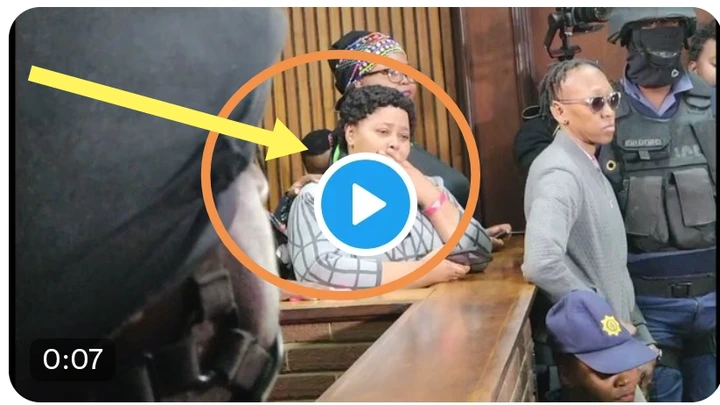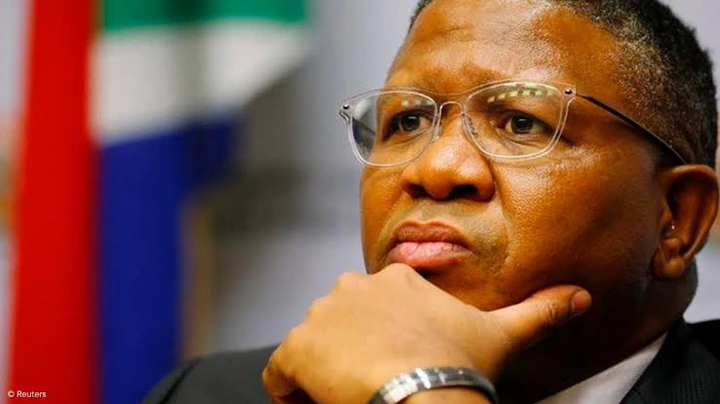

Allegations made by Michelle Mashale have triggered significant unrest within South Africa’s intelligence and security circles, sparking concerns over potential misconduct, internal rifts, and weaknesses in oversight at key government agencies.
Mashale’s assertions—still unverified—have ignited public discussion and allege that high-ranking officials and intelligence figures were involved in covert operations, dubious financial dealings, and irregular procedures. Despite lacking formal confirmation, the seriousness of the claims has fueled demands for an independent and open investigation.
Central to the controversy is the allegation that around R600,000 was paid to several intelligence informants through unofficial channels. Mashale contends these disbursements bypassed standard financial protocols and oversight systems. She asserts that documentation, including what she refers to as receipts and related records, supports her account.
Public reaction has been divided. Some have challenged the credibility of the allegations and questioned Mashale’s motives, while others emphasize the detailed nature of her statements and insist they merit official scrutiny.
One particularly contentious claim involves a reported secret meeting held in a private garage, allegedly attended by Zizi Kodwa, former Deputy Minister of State Security. According to Mashale, participants discussed identifying cabinet members accused of opposing the president. If substantiated, this could indicate deep fractures within government and raise alarms about political influence over intelligence work.
Mashale also alleges the use of falsified security clearances and inconsistent funding practices within intelligence units. She claims individuals assigned to low-risk tasks received disproportionately large payments, whereas those in more dangerous roles were compensated less.
These revelations have prompted wider concerns about how covert funds are managed and whether resources meant for national security and crime prevention are being properly utilized. Critics warn that misuse could erode public trust in institutions responsible for protecting the country.
The allegations implicate both the South African Police Service and the State Security Agency, highlighting potential governance lapses and insufficient internal accountability in critical state bodies.
Legal scholars and governance experts are urging a full, impartial review to assess the claims’ validity. Some suggest parliamentary oversight committees should step in to ensure accountability and safeguard any individuals who may come forward with relevant information.
With public confidence in institutions already under pressure, analysts stress that transparency and adherence to due process are vital. They maintain that regardless of the outcome, a credible investigation is essential to address public unease and uphold trust in national security frameworks.
As the debate unfolds, attention is shifting from the specifics of the allegations to the broader need for evidence-based examination. Whether the claims are ultimately dismissed or reveal deeper institutional flaws, many agree that only a thorough and transparent inquiry can bring clarity and help rebuild public confidence.