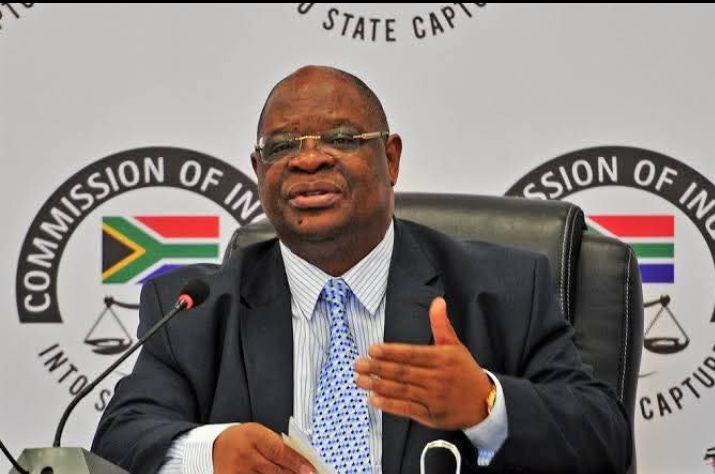
The Judicial Commission of Inquiry into Allegations of State Capture, widely known as the Zondo Commission, has emerged as one of South Africa’s most significant anti-corruption investigations, with its impact measured in both financial recoveries and criminal prosecutions.
The commission, chaired by former Chief Justice Raymond Zondo, operated with an estimated budget of approximately R1 billion during its years-long investigation into corruption, fraud and the abuse of state institutions during the state capture era.
According to reports, the commission’s findings have contributed to the recovery or freezing of nearly R11 billion in assets linked to alleged state capture activities. Authorities have used evidence gathered during the inquiry to pursue financial recoveries and strengthen efforts to hold those implicated accountable.
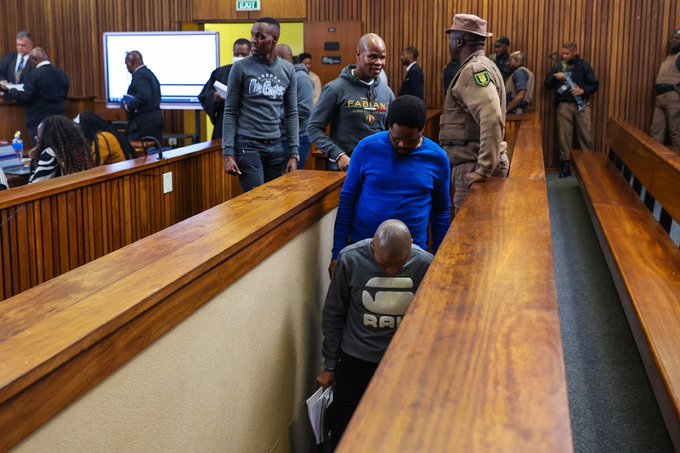
The commission’s recommendations have also led to significant legal action. More than 50 individuals and 27 entities are reported to have faced criminal charges arising from evidence and findings contained in the commission’s extensive reports.
The inquiry heard testimony from hundreds of witnesses and examined allegations involving government departments, state-owned enterprises and private companies. Its final reports detailed widespread governance failures and recommended a range of reforms aimed at strengthening accountability within public institutions.
While debates continue over the overall cost of the commission and the pace of prosecutions, supporters argue that the recovery of billions of rand and the criminal cases initiated demonstrate a tangible return on the public investment.
The Zondo Commission remains a landmark chapter in South Africa’s fight against corruption, with its long-term success likely to be judged by the outcomes of ongoing prosecutions and the implementation of reforms designed to prevent future state capture.