

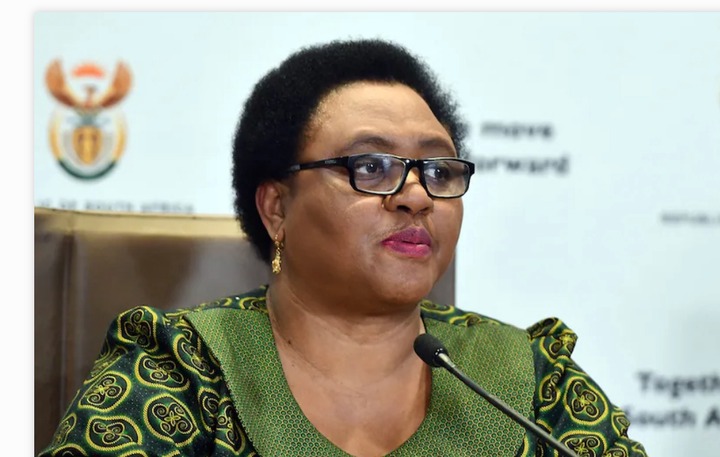
Former National Assembly Speaker Nosiviwe Mapisa-Nqakula has publicly acknowledged that she and other Members of Parliament were instructed by the African National Congress to vote against the Section 89 independent panel report in 2022, a decision she now says she deeply regrets.
Her remarks have reignited intense political debate over parliamentary independence, party discipline, and the broader implications of executive influence on legislative decision-making during one of South Africa’s most closely watched constitutional processes.
According to Mapisa-Nqakula, the instruction from the ruling party at the time placed MPs in a difficult position, as they were expected to adhere to party directives despite the highly sensitive and nationally significant nature of the report under consideration. She admitted that, with the benefit of hindsight, the decision to follow the party line rather than exercise independent judgment was a matter she now reflects on with regret.
The Section 89 panel report had recommended further scrutiny into matters of executive accountability, and its rejection by Parliament at the time sparked widespread public controversy and political division. Critics argued that the outcome undermined public trust in oversight institutions, while supporters of the decision maintained that procedural and legal concerns justified the vote.
African National Congress has historically enforced party discipline among its parliamentary caucus, often requiring MPs to vote in line with collective decisions. However, Mapisa-Nqakula’s recent comments have revived questions about whether such discipline can conflict with constitutional obligations to act in the national interest.
Political analysts suggest her admission may further fuel ongoing debates about the balance between party loyalty and institutional independence within South Africa’s parliamentary system. Some commentators argue that the revelation highlights structural tensions that continue to shape legislative behaviour in high-stakes political decisions.
Opposition parties have already reacted strongly to the remarks describing them as confirmation of long-standing concerns about undue party influence over critical parliamentary outcomes. Civil society groups have also renewed calls for reforms that strengthen the autonomy of elected representatives.
As discussions continue Mapisa-Nqakula statement is expected to add fresh momentum to broader conversations about accountability governance and the evolving role of Parliament in safeguarding democratic oversight.


