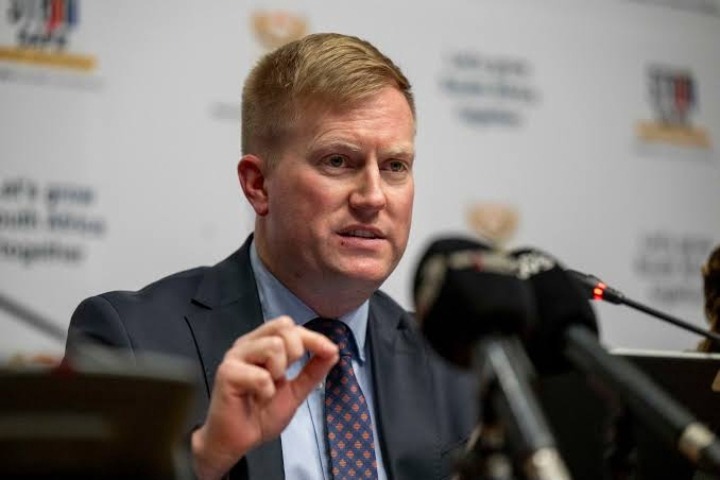
The political fortunes of former uMkhonto weSizwe (MK) Party spokesperson Nhlamulo Ndhlela have taken a dramatic turn, sparking widespread discussion across South Africa’s political landscape. Ndhlela, who was recently suspended by the organization pending an internal investigation, is now facing intense public scrutiny as an old statement he made about party loyalty and organizational discipline circles back into the public eye.
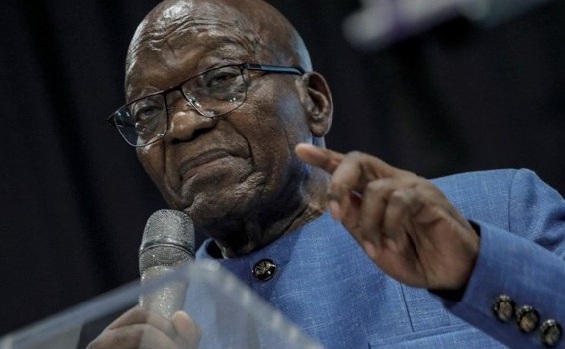
During a previous interview on the digital platform SMWX, Ndhlela had confidently asserted that no position within the rapidly expanding party was secure, save for that of its leader, former President Jacob Zuma. In that interview, he warned that anyone who failed to perform or introduced outside friction would not last, famously adding that unorthodox behavior would be dealt with by spiritual forces.
“No one is permanent here in the MKP except for President Jacob Zuma, if you don’t perform you’re not gonna last. If you bring alien tendencies, the spiritual gods will deal with you.” – Nhlamulo Ndhlela at @_SMWX pic.twitter.com/Qi2VxedNDf
— Kganki Chávez Mphahlele 🇿🇦 (@Absolute_Kganki) May 20, 2026
The revival of these exact words has triggered a wave of irony on social media and among political commentators, given Ndhlela’s sudden removal from the party hierarchy. Before his suspension, he was one of the most prominent and vocal defenders of the MK Party, regularly appearing in high-profile media briefings and fiery political debates to articulate and shield the party’s official positions. His sharp, uncompromising communication style made him a highly visible ally of Zuma, earning him strong loyalty from supporters but deep skepticism from political opponents.
This suspension highlights a broader pattern of strict internal discipline within the MK Party. While leadership has kept the exact details of the pending investigation confidential, the decision to sidelights such a high-profile figure demonstrates an ongoing effort to consolidate authority and eliminate internal dissent. Over the past several months, the party has experienced multiple internal leadership shifts and disputes as it attempts to build solid institutional structures following its rapid electoral success. Throughout this organizational turbulence, Jacob Zuma has remained the undisputed core of the movement, with members consistently rallying around his leadership. For now, Ndhlela’s future within the party remains highly uncertain, but his resurfaced warnings serve as a striking example of the volatile nature of power and loyalty in modern politics.