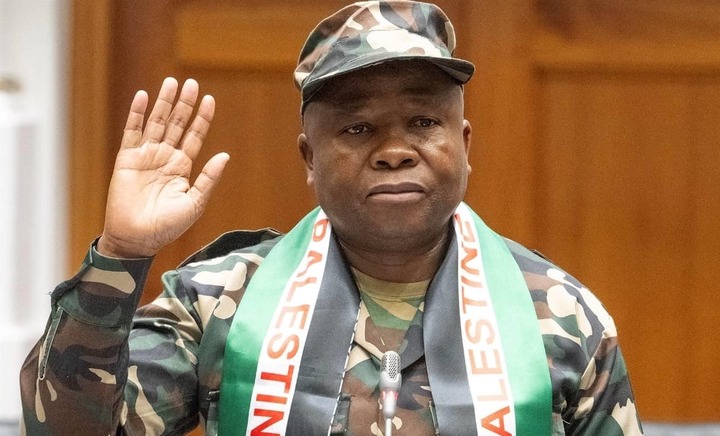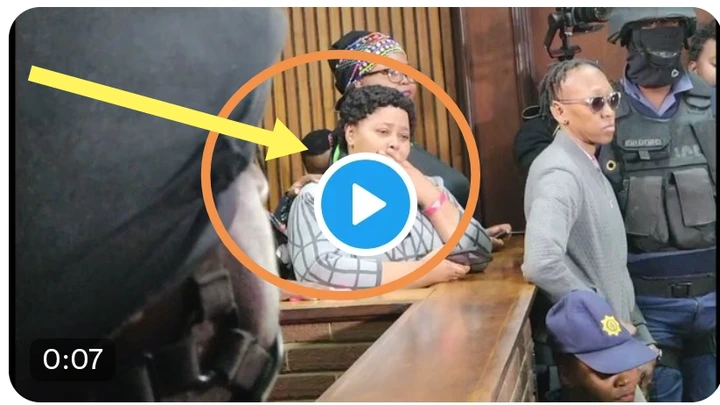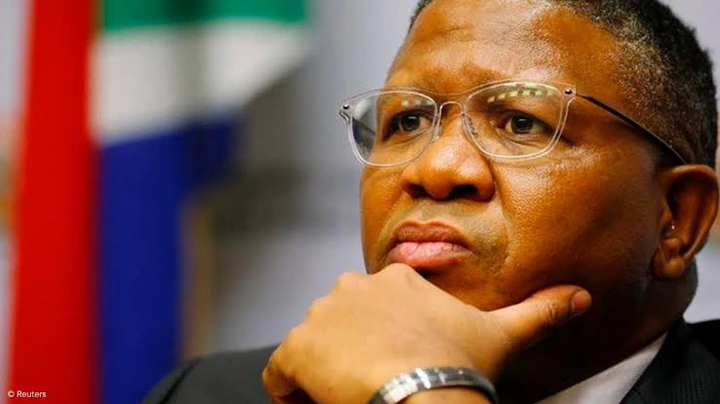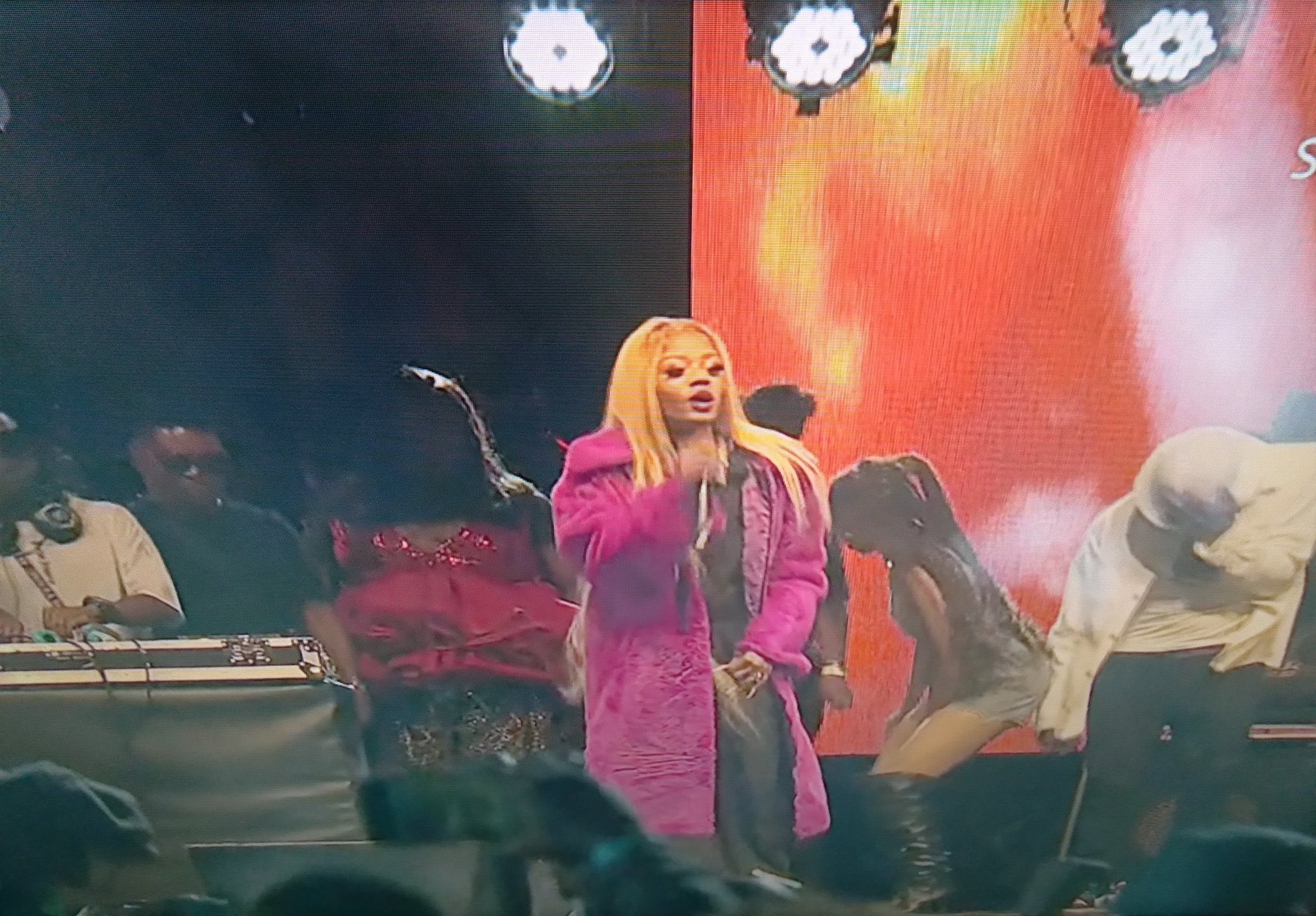
Political tensions in KwaZulu-Natal have escalated sharply following a stern public warning issued by uMkhonto weSizwe (MK) Party MP Jacinta Ngobese-Zuma to KwaZulu-Natal Premier Thami Ngizwe Mchunu. Ngobese-Zuma, who is also the daughter-in-law of former President Jacob Zuma, took to social media to address comments made by the Premier. She did not hold back, explicitly telling Mchunu to “watch his mouth” when discussing sensitive matters that she believes require more caution and respect.
The confrontation appears to be rooted in the Premier’s recent public utterances regarding volatile political or social issues within the province. Ngobese-Zuma accused Mchunu of being reckless with his rhetoric, suggesting that his statements could incite conflict or demonstrate a lack of understanding of the gravity of the situation. As a representative of the MK Party, which poses a significant challenge to the ANC’s dominance in KZN, her aggressive defense is part of a broader strategy to counter the provincial government’s narrative and protect the interests of her party’s leadership and supporters.
🚨 NEW 🚨
Jacinta Ngobese-Zuma has urged Ngizwe Mchunu to “watch his mouth” and exercise caution when addressing sensitive issues.This comes after the EFF issued a legal demand following controversial allegations made against Julius Malema, escalating tensions and putting… pic.twitter.com/NWhnMFQRGe
— In A Nutshell🥜 (@Markosonke1) April 30, 2026
This clash highlights the increasingly hostile relationship between the ruling ANC in the province and the surging MK Party. The “watch your mouth” warning is not merely a personal insult but a political tactic designed to put the Premier on the back foot. By framing Mchunu as disrespectful or out of touch, Ngobese-Zuma aims to galvanize opposition supporters who feel marginalized by the current administration. The exchange underscores how personal attacks and defensive posturing have become standard tools in the ongoing battle for political supremacy in the region.
The use of such strong language by a parliamentarian raises concerns about the tone of political discourse in South Africa. When leaders resort to telling opponents to shut up or curb their speech, it signals a breakdown in constructive dialogue. However, for Ngobese-Zuma and her constituency, this assertiveness is seen as necessary strength. They view the current ANC leadership in the province as having overstepped boundaries, necessitating a forceful pushback to restore what they perceive as balance and respect in the political arena.
As this story develops, it serves as a microcosm of the larger power struggle defining South African politics today. The feud between Ngobese-Zuma and Mchunu is likely to continue making headlines as both sides dig in their heels. For now, the message from the MK Party camp is clear: they will not tolerate what they deem to be disrespect or misinformation from their rivals, and they are willing to fight fire with fire to make that point heard across the country.