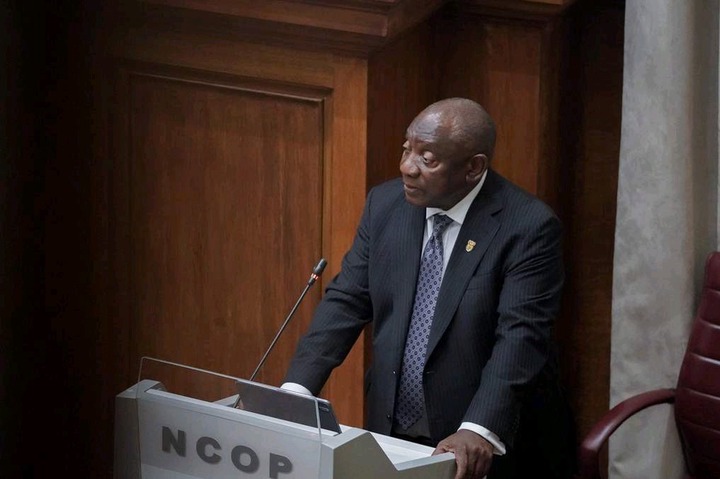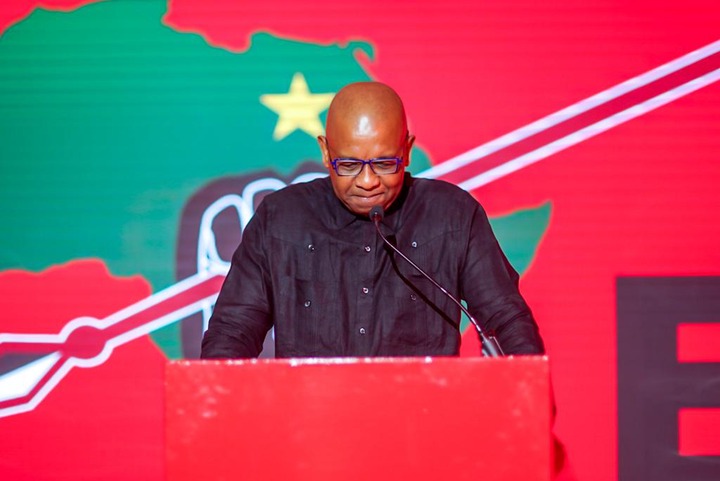

South Africa’s political landscape has taken a dramatic turn following the high-profile departure of two prominent African National Congress (ANC) figures, with former Greater Tzaneen Mayor Maripe Mangena and respected political figure Dr. Mikia Ramothwala officially joining ActionSA in a move that is already stirring debate across Limpopo and beyond.
Their resignation from the ANC marks more than a routine political crossover—it signals growing dissatisfaction within traditional political ranks and reflects a widening call for ethical leadership, accountability, and people-centered governance.
For decades, both Mangena and Ramothwala were regarded as influential voices within the ANC, helping shape political structures and community leadership in Limpopo. Their decision to leave a party they once helped build sends a powerful message about shifting political loyalties and the urgent demand for a new direction in governance.
Political observers say the move could strengthen ActionSA’s footprint in Limpopo, a province historically dominated by the ANC. It also positions the party as an increasingly attractive alternative for leaders seeking reform-driven politics and a fresh approach to service delivery.
At the heart of the transition is a clear message: South Africans are hungry for leadership rooted in integrity, transparency, and meaningful action. Supporters of the move believe Mangena and Ramothwala bring credibility, experience, and a deeper understanding of grassroots governance—qualities that could help reshape the political conversation in Limpopo.
“This is not just about changing political colours,” a source close to the development noted. “It is about choosing a platform that prioritizes ethical leadership, honest governance, and putting communities first.”
The development comes at a time when voters across South Africa are increasingly vocal about corruption, poor service delivery, unemployment, and the widening gap between political promises and lived realities. Against that backdrop, the arrival of seasoned leaders into ActionSA could mark a significant boost for the party’s ambitions ahead of future electoral contests.
For Limpopo, the political shift may prove especially significant. As communities demand improved infrastructure, economic opportunity, and stronger local governance, the entrance of experienced leadership into a growing opposition movement could alter long-standing political dynamics.
Whether this becomes an isolated defection or the beginning of a broader political migration remains to be seen. What is certain, however, is that South Africa’s political map is evolving—and Limpopo may now be at the center of that change.
A new chapter is unfolding, and the message from these defections is unmistakable: loyalty to the people is beginning to outweigh loyalty to party tradition.