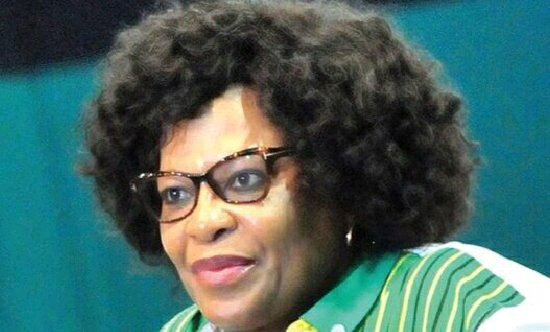
A former senior African National Congress (ANC) member has sparked debate after accusing a former South African head of state of fuelling tribalism and internal divisions within the ruling party.
Speaking in a strongly worded statement released over the weekend, the former ANC leader claimed that the ex-president’s time in office was characterised by deep factionalism and growing ethnic-based politics that weakened the organisation from within.
According to her, leadership decisions during that period were allegedly influenced more by regional and tribal loyalties than by competence or the values the ANC was founded on.
“It was during that leadership era that distrust, division and fragmentation started taking root inside the movement,” she said.
Although the former president was not mentioned by name, political observers believe the comments refer to one of the ANC’s most controversial periods, often linked to internal power struggles and accusations of weakened governance.
The remarks have reignited conversations about unity inside the ANC as the party continues efforts to rebuild public trust ahead of crucial elections.
ANC representatives avoided directly responding to the claims, saying only that the organisation remains focused on renewal, self-correction and unity.
Political analyst Dr. Lindiwe Mahlangu said the accusations reflect concerns that many within the party have privately raised over the years.
“Tribalism has long been an uncomfortable issue in ANC politics. Open discussions like this may be controversial, but they also force the organisation to confront unresolved tensions,” Mahlangu explained.
As South Africa moves closer to major electoral contests, analysts believe debates around leadership, accountability and unity could play a significant role in shaping both the ANC’s future and the country’s political direction.