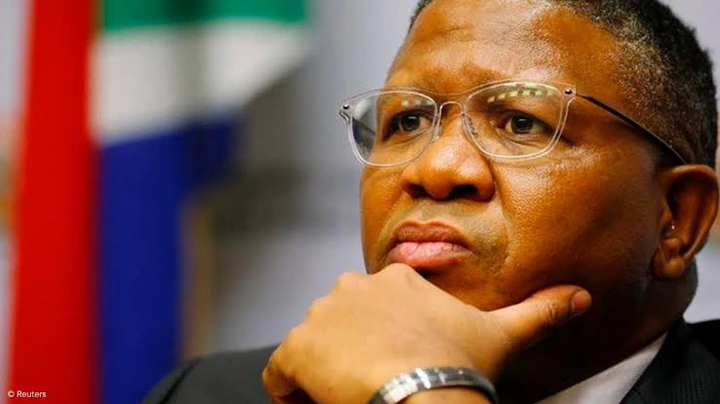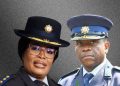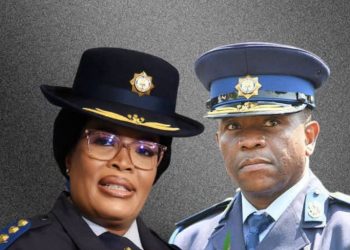
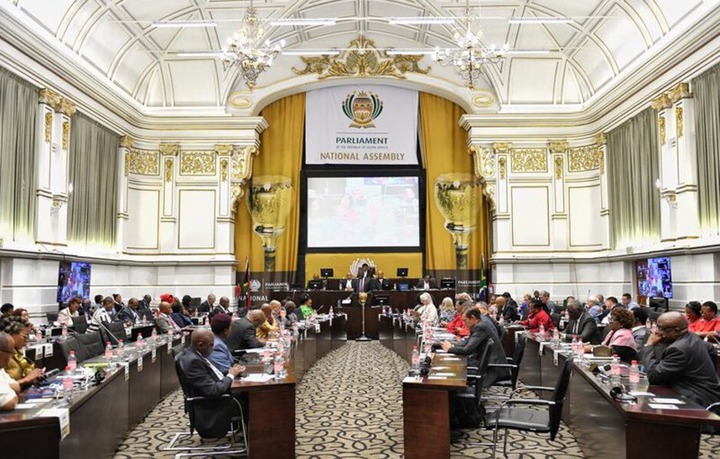
The South African Parliament’s ad hoc committee tasked with investigating allegations against KwaZulu-Natal Police Commissioner Lieutenant-General Nhlanhla Mkhwanazi is nearing the conclusion of its inquiry. According to a statement released by the National Assembly on Tuesday, the committee has set May 8th as the deadline for submitting a draft version of its report.
The investigation, initiated following concerns raised about Mkhwanazi’s conduct and leadership, is examining a range of issues including alleged mismanagement of resources, questionable procurement practices, and concerns regarding the operational effectiveness of the KwaZulu-Natal Provincial Police Force. The committee, comprised of members from across the major political parties, has been conducting hearings and gathering evidence over the past several weeks.
The process of scrutiny surrounding Lieutenant-General Mkhwanazi’s tenure has been fraught with tension, reflecting broader anxieties about governance and accountability within South Africa’s police service. The committee’s work is particularly sensitive given the significant challenges faced by law enforcement in KwaZulu-Natal, including high levels of crime and ongoing instability.
It’s clear that a great deal of public trust has been eroded, and the committee’s findings will be closely watched by citizens, civil society organizations, and the government alike. The focus on procurement irregularities, as highlighted in the initial allegations, is a critical area of concern.
Questions remain about whether proper procedures were followed when awarding contracts and whether there was any evidence of corruption or undue influence. It is widely believed that the committee’s final report will carry significant weight, potentially leading to recommendations for disciplinary action against Mkhwanazi or, in a more serious scenario, his removal from office.
The timing of this report is particularly crucial, arriving as the country grapples with a surge in violent crime and a perceived lack of effective policing. The committee’s mandate is to provide an objective assessment of the situation, and its recommendations will undoubtedly shape the future of policing in KwaZulu-Natal.
The level of detail and transparency demonstrated by the committee throughout this process will be a key indicator of its success. It is hoped that the final report will not only address the specific allegations made against Mkhwanazi but also offer broader insights into the systemic challenges facing the police service.
The public deserves a clear understanding of the issues at hand and a credible plan for addressing them. The coming days will be pivotal in determining whether this investigation ultimately restores confidence in the KwaZulu-Natal Police Force and contributes to a more accountable and effective law enforcement system.