

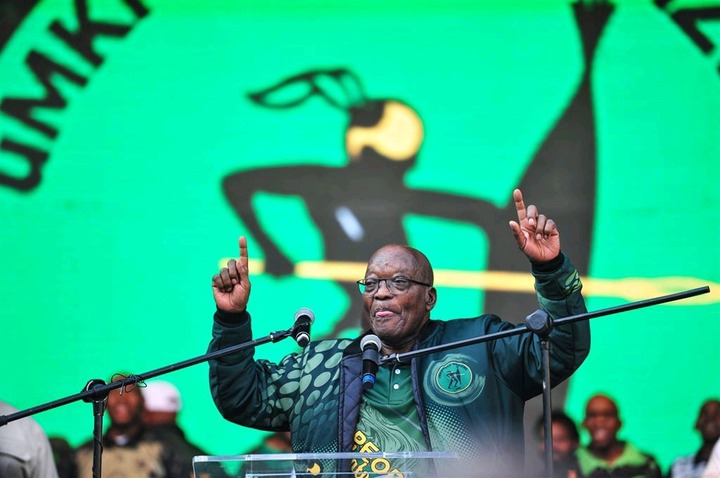
A sudden political development has stirred debate after Jacob Zuma reportedly removed Sibonelo Nomvalo from his parliamentary position, in a move insiders describe as both strategic and controversial.
Sources within the party say the decision came directly from Zuma’s office and effectively ends Nomvalo’s role in Parliament. However, rather than a traditional dismissal from public life, the move appears to reposition him within the party’s internal leadership structures.
According to political insiders, Nomvalo is expected to take up the position of Secretary-General of the party — a role that carries significant administrative responsibilities but can also be politically demanding. Some analysts have described the position as a “poison chalice,” suggesting that it often comes with immense pressure and limited room for political maneuvering.
The shift has sparked widespread discussion in political circles. While the Secretary-General position is one of the most senior offices within a political organization, it is also known for being a role where internal conflicts, organizational challenges, and intense scrutiny frequently converge.
Observers say the move may be part of a broader effort by Zuma to reorganize the party’s leadership structure and strengthen internal control ahead of upcoming political battles. By relocating key figures from Parliament into party management, leadership may be attempting to consolidate influence behind the scenes.
Critics, however, interpret the development differently. Some argue that moving Nomvalo out of Parliament effectively sidelines him from direct legislative influence, even if the new position appears powerful on paper.
Political analyst commentary suggests the strategy may reflect a calculated balancing act: removing a figure from the national legislative stage while keeping them tied to the party’s operational structure.
Neither Zuma nor Nomvalo had issued a detailed public statement at the time of publication clarifying the full reasons behind the decision. Party insiders also remain cautious about confirming whether the Secretary-General appointment has been formally finalized.
What is clear is that the development highlights the ongoing internal dynamics within Zuma’s political movement. Leadership adjustments of this nature often signal deeper strategic considerations within party ranks.
For now, attention remains fixed on how Nomvalo will navigate the new role if the appointment is confirmed — and whether the Secretary-General position will strengthen his influence within the party or prove to be the political “poison chalice” some observers believe it to be.
As political watchers continue to analyze the situation, the reshuffle underscores how quickly fortunes can shift within South Africa’s evolving political landscape.


