

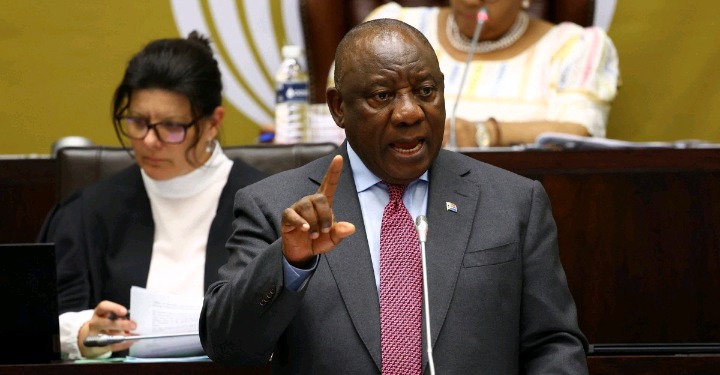
A judicial commission investigating claims that South Africa’s post-apartheid government obstructed prosecutions of apartheid-era crimes has raised concerns about actions by Cyril Ramaphosa after reports surfaced that he tried to persuade the commission’s chairperson, Sisi Khampepe, to resign.
The inquiry was set up to examine allegations that officials within the African National Congress-led government interfered with efforts to hold perpetrators of political killings during apartheid accountable. Its mandate includes determining whether government decisions after 1994 contributed to delays or abandonment of cases involving serious human rights violations.
Documents released by the commission indicate that Ramaphosa suggested Khampepe consider stepping down from her role. The commission highlighted that such a request could give the impression of executive interference in a process meant to investigate government conduct independently.
Khampepe, respected for her legal expertise and impartiality, declined the request and has continued to lead the commission. The inquiry emphasized that preserving the integrity of its work requires maintaining a clear separation from political influence, warning that any perception of pressure could erode public confidence.
The commission is probing long-standing claims that prosecutors and government officials obstructed or discouraged investigations into apartheid-era crimes, including political assassinations, disappearances, and other acts of violence during South Africa’s liberation struggle.
For families of victims, the inquiry offers a long-awaited chance for justice decades after apartheid ended in 1994. Relatives have repeatedly argued that accountability has been delayed for too long and that unresolved cases must finally be addressed.
Critics say the reported attempt to sway Khampepe raises serious questions about the independence of the investigation, arguing that perceived political interference could compromise efforts to uncover the truth and hold those responsible to account.
Supporters of the inquiry maintain that a transparent investigation is critical not only for justice but also for South Africa’s ongoing reconciliation. They assert that confronting unresolved crimes from the apartheid era is essential to rebuild public trust in democratic institutions and the rule of law.
The presidency has not provided detailed reasoning behind Ramaphosa’s approach. Meanwhile, the commission continues to gather testimony and review evidence to determine whether deliberate obstruction of justice occurred in handling prosecutions related to apartheid-era crimes.


