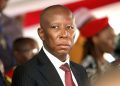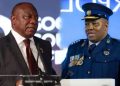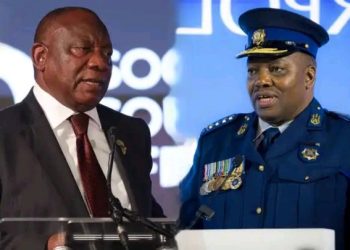
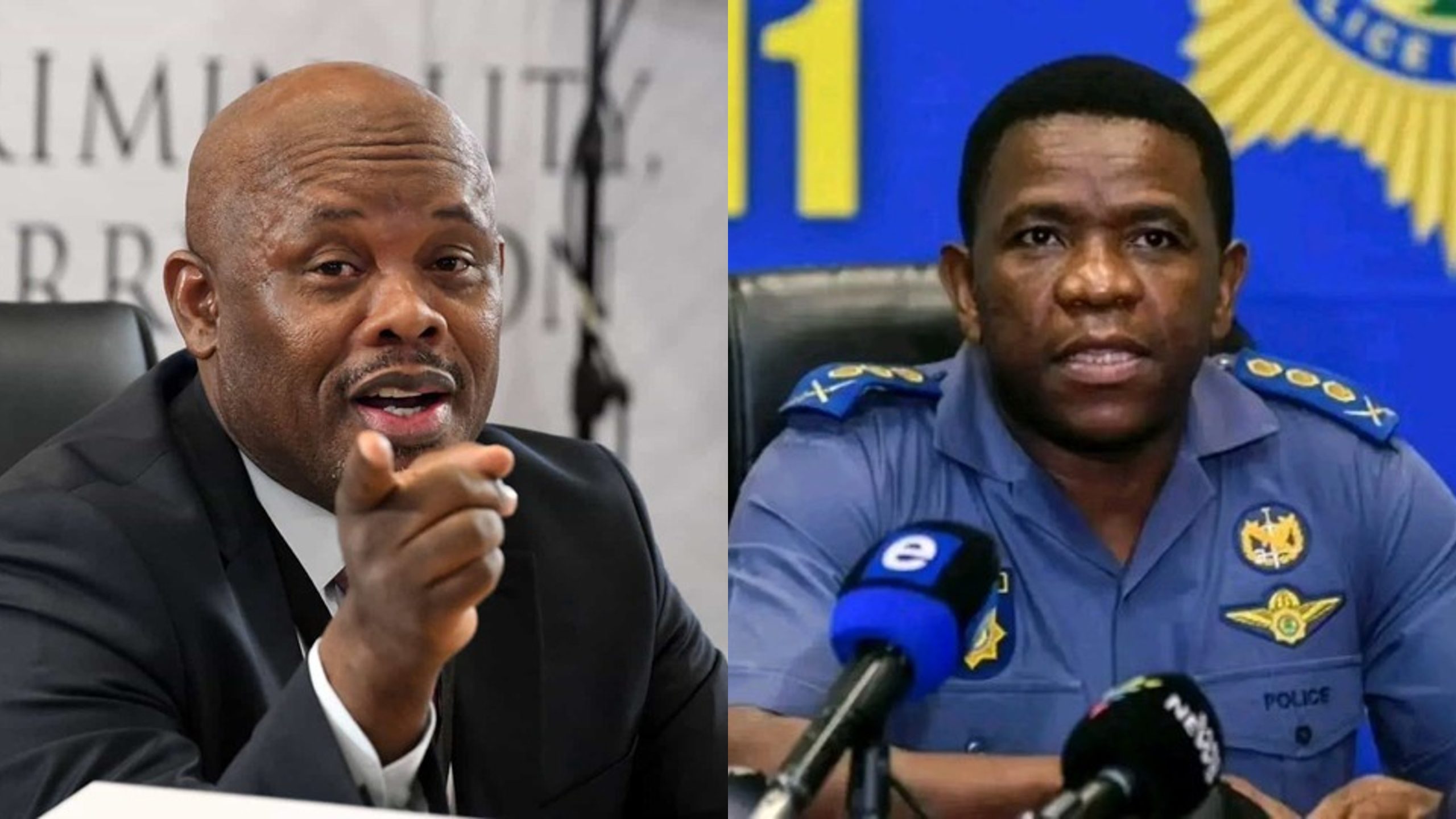
Fresh revelations emerged at the #MadlangaCommission as General Shadrack Sibiya claimed that political parties are allegedly competing to have General Nhlanhla Mkhwanazi on their side due to his significant social media following.
Sibiya made the remarks during proceedings at the Madlanga Commission, where matters relating to policing leadership and internal dynamics are under scrutiny. According to Sibiya, Mkhwanazi’s online presence and popularity have made him an attractive figure in political circles.
He suggested that Mkhwanazi’s influence extends beyond traditional law enforcement roles, pointing to what he described as a “huge following” on various social media platforms. While Sibiya did not provide specific evidence to substantiate claims of political lobbying, his comments have sparked debate about the intersection of policing, public image, and politics.
Mkhwanazi, who serves as a senior figure within the South African Police Service (SAPS), has built a reputation as a high-profile law enforcement leader, particularly in KwaZulu-Natal. His public visibility, media engagements, and strong stance on crime have contributed to his growing public profile.
Observers note that in the digital age, social media influence can translate into political capital. Public officials with strong online followings often shape narratives, mobilise public sentiment, and influence national conversations. However, the suggestion that political parties may be vying for alignment with a serving police general raises questions about the perceived neutrality of law enforcement leadership.
The claims come amid ongoing tensions and scrutiny within SAPS leadership structures. Analysts caution that any perception of political alignment by senior police officials could undermine public trust in the independence of the police service.
At this stage, there has been no official response from Mkhwanazi regarding Sibiya’s comments. It also remains unclear whether the commission will further interrogate the allegations or seek corroborating evidence.
The #MadlangaCommission continues to examine complex issues surrounding governance, accountability, and leadership within law enforcement. Sibiya’s remarks have added another layer to the proceedings, highlighting how social media presence is increasingly becoming a factor in public service influence and political dynamics.
As the commission unfolds, attention will remain on whether these claims will be substantiated or remain part of broader testimony shaping the national conversation around policing and politics.