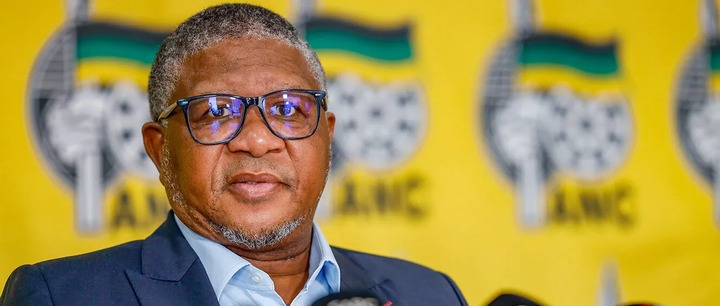
A new internal report from ANC Secretary-General Fikile Mbalula presents a stark diagnosis of the party’s crisis. It highlights deep-seated corruption, factionalism, and a loss of public trust.
The report offers a reform plan emphasizing party discipline, professional governance, and a return to service delivery. It calls for purging patronage networks and shifting focus back to public service.
However, political analysts caution that the plan faces a critical obstacle: the party itself. The same factional networks and systems of patronage the report seeks to dismantle are embedded in the ANC’s structure and survival strategies.
Efforts to restore public trust clash with a history of prioritizing loyalty over competence in deployments. While the report invokes the party’s liberation history, many younger South Africans see a disconnect with its current performance.
Experts describe the ANC as a party in conflict with itself, where reformist aims are often blocked by powerful internal interests. Enforcing a single, coherent reform plan across the party’s broad and factionalized ecosystem is seen as a monumental challenge.
The central question emerging from the report is whether the ANC can implement such fundamental internal surgery without collapsing under its own structural and political weight. Time will tell if the blueprint can move from diagnosis to real change.