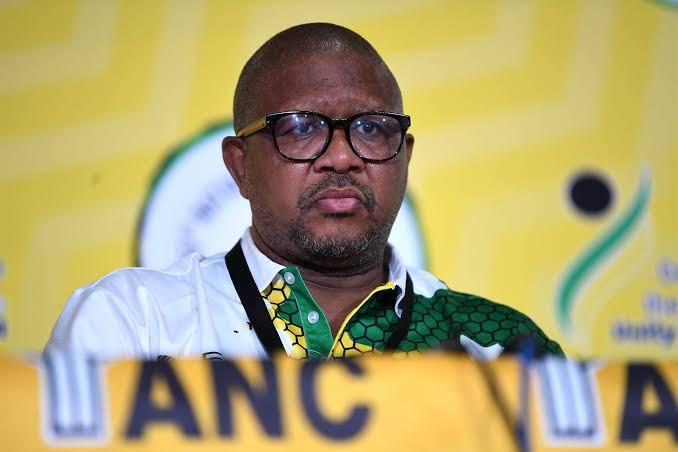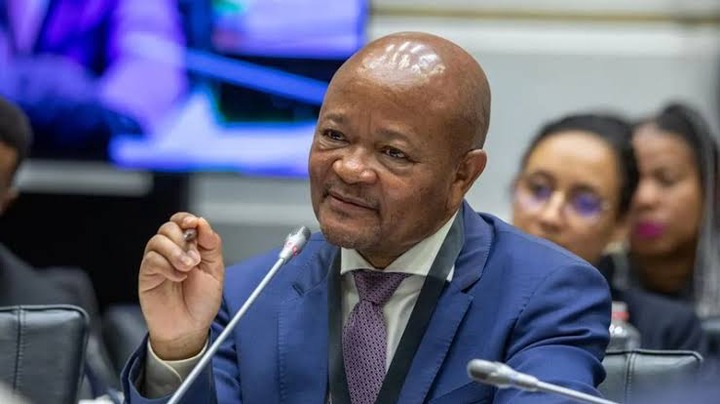
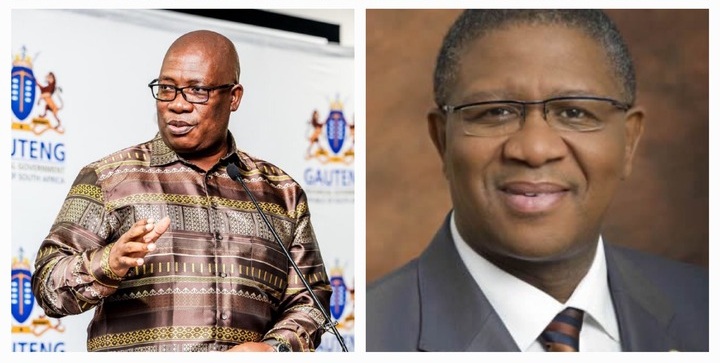
A light-hearted but telling conversation has been unfolding on social media, where users have begun grouping some of South Africa’s most prominent political and business figures in an unexpected way: “Panyaza Lesufi and Fikile Mbalula inside the AN and outside, we have Mr Soft Launcher himself, Patrice Motsepe.”
Though humorous, the remark speaks to a broader public perception about the distinct public profiles and influence of these three well-known figures.
Gauteng Premier Panyaza Lesufi and ANC Secretary-General Fikile Mbalula remain two of the most visible personalities within the governing party. Lesufi, known for his energetic communication style and his focus on education and community safety, has built a reputation as a hands-on leader within Gauteng. His public engagements—whether addressing crime, rolling out technology in schools, or responding to service-delivery concerns keep him deeply rooted in grassroots ANC politics.
Mbalula, on the other hand, continues to dominate conversations with his characteristic blend of political commentary and social-media theatrics. As Secretary-General, he is one of the most powerful figures in the ANC’s internal machinery, responsible for maintaining party discipline, communicating strategy, and shaping the political narrative. His bold statements frequently stir debate, but they also ensure he remains a central player in the national political discourse.
Enter Patrice Motsepe the billionaire businessman, philanthropist, and CAF president who is humorously described as a “soft launcher” in this political trio. The term “soft launcher” refers to someone who subtly introduces themselves or their intentions without making an overt announcement. For years, Motsepe has maintained a carefully managed public presence, avoiding direct involvement in party politics while still wielding significant influence through business, philanthropy, and developmental partnerships.
Many South Africans see Motsepe as a figure positioned just outside the formal political arena—visible, respected, and powerful, yet operating with strategic restraint. His proximity to leadership, including family ties to President Cyril Ramaphosa, often fuels speculation about his broader ambitions. However, Motsepe has consistently maintained that he has no interest in active politics.
The social-media commentary comparing these three figures captures a growing sentiment: while Lesufi and Mbalula represent the loud, active, public-facing heartbeat of the ANC, Motsepe represents a calmer, calculated form of national influence—one that operates quietly, effectively, and often behind the scenes.
Whether meant as humour or subtle political analysis, the comparison reflects how South Africans continue to interpret power, visibility, and influence in the country’s evolving political landscape.