

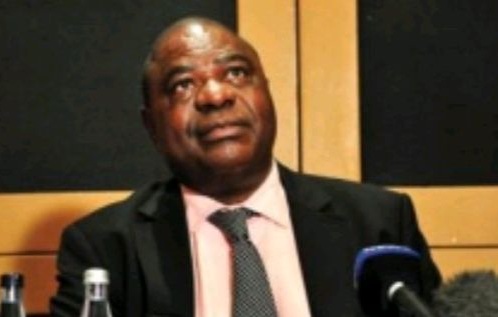
Former Gauteng Premier and co-founder of the Congress of the People (COPE), Mbazima Shilowa, has opened up about the strategic and clandestine operations that followed the African National Congress (ANC) 2007 Polokwane conference, shedding light on the origins of one of South Africa’s most significant political breakaways.
Shilowa revealed that the political turmoil triggered by former President Thabo Mbeki’s defeat prompted a small group of ANC members to start working “underground” with the aim of creating a new political movement. He said he was among the few who immediately resigned from the ANC, while other senior figures, including Mosiuoa “Terror” Lekota, chose to remain within the party.
“The intention was to destroy the ANC from inside by having moles everywhere,” Shilowa stated, explaining that the group sought to build internal networks that could provide critical information and resources to support COPE’s establishment. This approach, he said, allowed the breakaway faction to prepare a robust political infrastructure before publicly announcing the party.
MBHAZIMA SHILOWA
After Thabo Mbeki lost the conference in 2007, we started working underground to launch a new party.
I was the one of the few people who resigned. Others like Terror Lekota didnt resign.
The intention was to destroy the ANC from inside by having moles… pic.twitter.com/oYzSYlHhUm
— Constitution First 🇿🇦 (@Constitution_94) November 30, 2025
Shilowa likened their tactics to methods he believes the MKP (Modern Communist Party) is employing against the ANC today. “We wanted to do what MKP is doing to the ANC,” he said, highlighting the strategic nature of their planning. Members would publicly appear as loyal ANC officials while discreetly aiding the formation of COPE, ensuring access to both information and logistical support.
According to Shilowa, the preparation for COPE was comprehensive and included securing readiness from provincial leaders in all major provinces. This extensive internal support, he claims, was crucial in enabling COPE to make a significant impact when it officially launched in 2008 and subsequently contested the 2009 general elections, quickly becoming the country’s third-largest political party at the time.
While COPE eventually faced internal disputes that weakened its influence, Shilowa’s revelations underscore the calculated and deliberate strategy behind its formation. His account offers a rare and detailed glimpse into the factional battles that shaped post-Polokwane South African politics and illuminates the depth of internal divisions within the ANC during that period.
Shilowa’s reflections provide both historical context and insight into the political manoeuvring that has long influenced South Africa’s political landscape, highlighting the mix of loyalty, strategy, and ambition that drives the country’s major political players.
This candid disclosure from a key political figure adds a new layer to understanding the origins of COPE and the strategic intricacies behind one of the most dramatic splits in modern South African politics.


