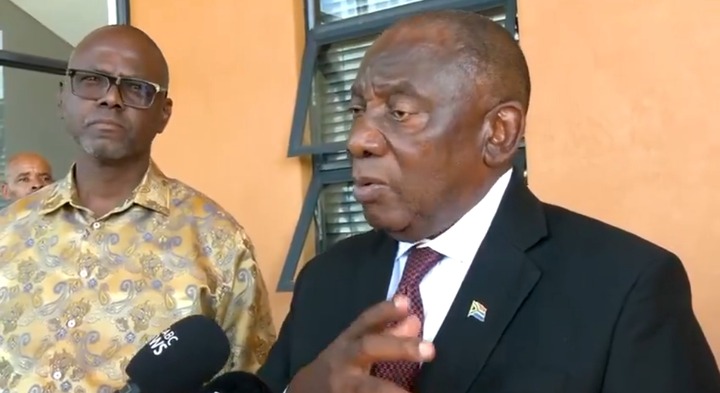
President Cyril Ramaphosa has addressed the Department of Home Affairs’ decision to withdraw a controversial asylum directive while visiting the Free State for the launch of a major investment and industrialisation programme.
The president’s remarks come amid ongoing discussions about South Africa’s immigration policies, the management of asylum applications and the government’s responsibility to balance national security concerns with the legal protection of people seeking refuge in the country.
The withdrawal of the directive has drawn attention to the Department of Home Affairs and its handling of asylum-related matters, particularly as immigration continues to feature prominently in national debates about border management, documentation and the enforcement of existing laws.
Ramaphosa addressed the issue during his visit to Phuthaditjhaba, where his programme centred on investment and industrialisation initiatives aimed at supporting economic development. His comments brought an immigration policy controversy into focus during an engagement primarily associated with economic growth and job creation.
South Africa’s asylum system is governed by legislation and international obligations that provide a framework for people seeking protection from persecution in their home countries. The Department of Home Affairs is responsible for processing asylum applications and determining whether applicants qualify for refugee status under the applicable legal framework.
Changes to directives governing asylum procedures can have significant implications for applicants, immigration officials and the administration of the country’s refugee protection system. Consequently, the withdrawal of a controversial directive raises questions about the policy’s original purpose, the reasons behind its introduction and the considerations that ultimately informed the decision to reverse it.
However, the precise implications of the withdrawn directive depend on its provisions and the official explanation provided by the department. Without further details, it would be premature to conclude that the withdrawal represents a fundamental change to South Africa’s broader immigration policy.
The issue also comes against the backdrop of heightened public interest in immigration enforcement. Across the country, questions about undocumented migration, the integrity of the asylum system and the capacity of public institutions to enforce immigration legislation continue to generate political and public debate.
Some South Africans have called for stricter immigration controls and improved border management, arguing that government institutions must ensure that immigration laws are effectively implemented. Others have stressed that asylum seekers must be treated fairly and that legitimate applications should be assessed in accordance with the law.
The government’s challenge is to ensure that immigration policies are implemented consistently while respecting constitutional principles and South Africa’s international obligations.
Meanwhile, Ramaphosa’s visit to the Free State was also focused on investment and industrialisation, areas considered important to the country’s broader economic development agenda.
Investment programmes are intended to encourage economic activity, strengthen industrial capacity and create opportunities for businesses and workers. In communities such as Phuthaditjhaba, economic development remains an important concern, particularly in relation to employment opportunities and sustainable livelihoods.
The president’s engagement therefore placed two significant national issues in the spotlight: economic transformation and the administration of immigration policy.
Further clarity from the Presidency and the Department of Home Affairs would help establish the full implications of the directive’s withdrawal, including the reasons for the decision and any subsequent measures the department intends to implement.
For now, Ramaphosa’s comments have brought renewed attention to the asylum policy debate, with the public likely to look to the government for further explanations about the decision and its consequences for South Africa’s immigration system.