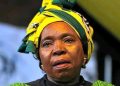
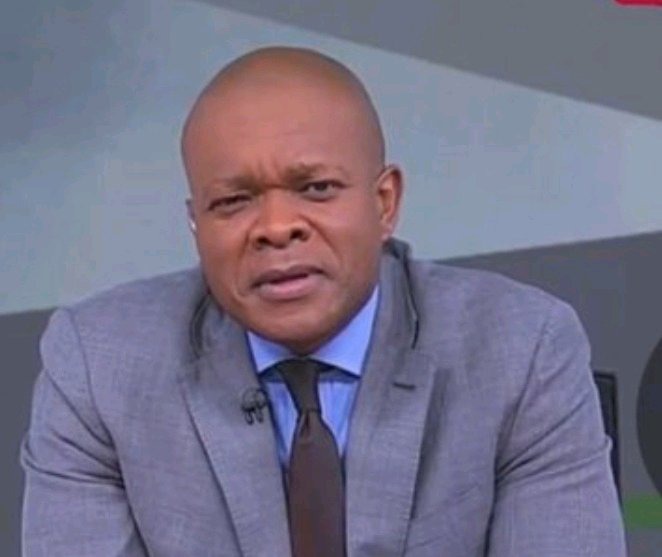
South African journalist Xoli Mngambi has reportedly come under criticism over his coverage of a former president’s hospital visit, sparking debate about professionalism, sensitivity and respect when reporting on the health of prominent political figures.
The controversy has raised concerns about how medical situations involving influential individuals are presented to the public. While former presidents remain important figures in national affairs, critics argue that reports about their health should be handled with care rather than presented in a manner that could appear insensitive.
Some critics believe the coverage created the impression that the former president’s hospital visit was being treated as exciting news. According to those expressing concern, the issue is not whether journalists should report on the health of political leaders, but whether the reporting maintains an appropriate tone and respects the seriousness of the situation.
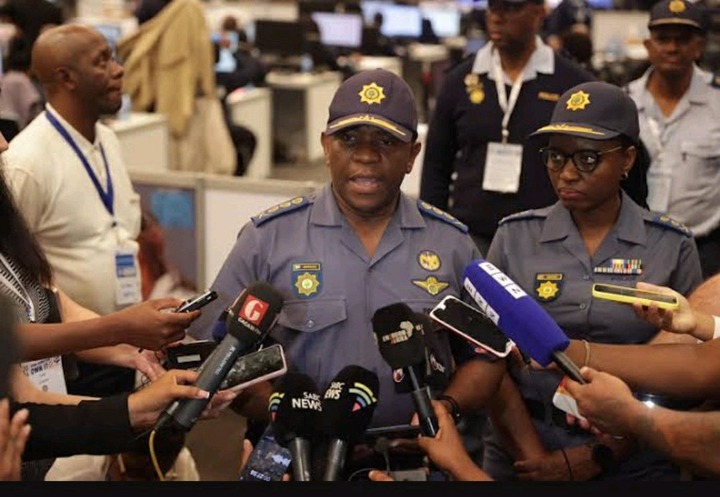
The debate has also drawn attention to the presence of journalists outside hospitals when prominent individuals are receiving medical treatment. Although the media has a responsibility to keep the public informed, critics maintain that this duty should be balanced with the individual’s privacy, dignity and right to receive medical care without unnecessary intrusion.
In South Africa, political disagreements often remain intense even after leaders leave office. Former presidents can continue to influence political discussions, attracting both support and criticism from different sections of society. However, many believe that political differences should not prevent people from showing compassion when someone experiences a health problem.
Supporters of this view argue that showing concern for another person’s wellbeing does not require political agreement or loyalty to their party. Illness can affect anyone, regardless of their position, wealth, political beliefs or public reputation.
The criticism surrounding Mngambi’s reported coverage has consequently opened a broader discussion about the responsibilities of journalists when dealing with sensitive personal matters. Journalists are expected to report facts, ask challenging questions and hold public figures accountable, but the language, tone and presentation of their reports can also influence how audiences interpret an event.
At the same time, criticism of media coverage should be based on the actual reporting and its context rather than personal attacks. The public deserves reliable information, while people facing medical difficulties should be treated with appropriate consideration.
Ultimately, the debate highlights the importance of balancing press freedom and the public’s right to know with compassion and respect for human dignity. Regardless of political differences, critics and supporters alike can acknowledge that medical emergencies deserve serious and responsible reporting.