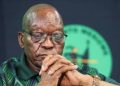
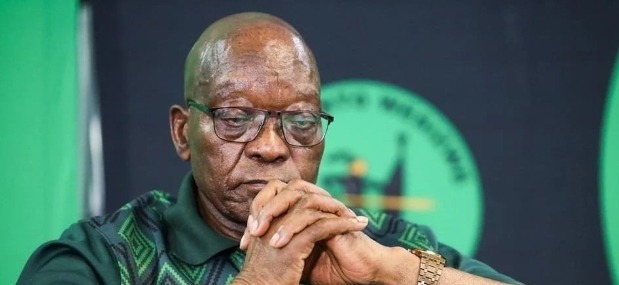
Doctors admitted Jacob Gedleyihlekisa Zuma to a Johannesburg medical facility on Wednesday after the 82-year-old former president’s condition deteriorated sharply, triggering urgent concern from his family and supporters across KwaZulu-Natal.
Michael Zuma, speaking outside the private hospital where his brother lay receiving treatment, delivered a chilling message to waiting journalists: the situation was grave. “It’s not looking good,” Michael told reporters gathered near the entrance, his voice carrying the particular flatness of a man bracing for the worst. No spokesperson for the Zuma household confirmed a specific diagnosis by Wednesday evening, though sources close to the family revealed the hospitalisation was not scheduled.
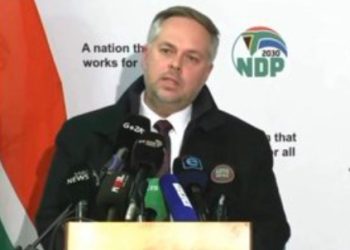
The uMkhonto we Sizwe Party, which Jacob leads as its symbolic figurehead, issued a terse statement urging supporters to remain calm. Spokesperson Nhlamulo Ndhlela noted the party stood behind its president during what he described as “a difficult personal moment.” Health officials at the facility declined to issue any update, citing patient confidentiality.
Zuma’s medical struggles stretch across several years. He underwent treatment for an undisclosed ailment in Cuba back in 2021, prompting widespread speculation about his long-term prognosis. That Cuban stint preceded his imprisonment for contempt of court — a sentence ultimately cut short on medical grounds after he received emergency parole. His age, combined with a history of serious illness, makes every new hospitalisation carry amplified national weight.
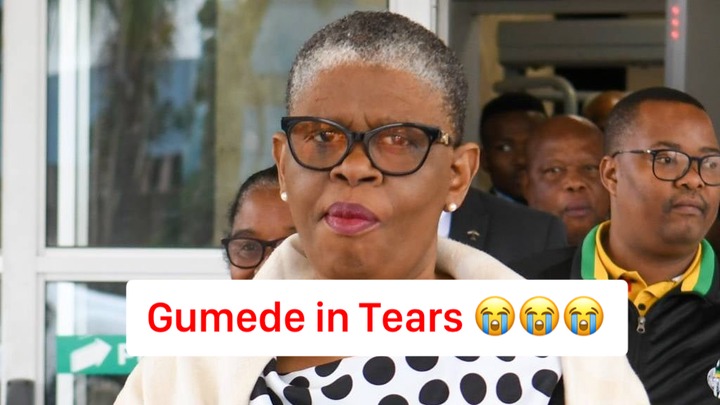
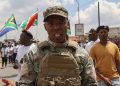
A woman wearing MK Party regalia stood crying quietly near the hospital entrance on Wednesday afternoon, clutching her phone, scrolling through tributes flooding social media. Beside her, an elderly gentleman removed his hat and stared at the building’s glass facade as though searching for something inside it. That pavement vigil captured what no formal statement managed — raw, unscripted grief from people whose loyalty to Zuma had never wavered regardless of courtrooms or commissions.
As Wednesday turned to Thursday, no discharge date existed, no official prognosis circulated publicly, and his legal battles — including the long-delayed arms deal corruption matter — remained suspended in procedural limbo. The question haunting every observer watching this unfold is the same one nobody inside that building is ready to answer yet: what becomes of South African politics if the man who has driven its most divisive chapter can no longer stand at its centre.