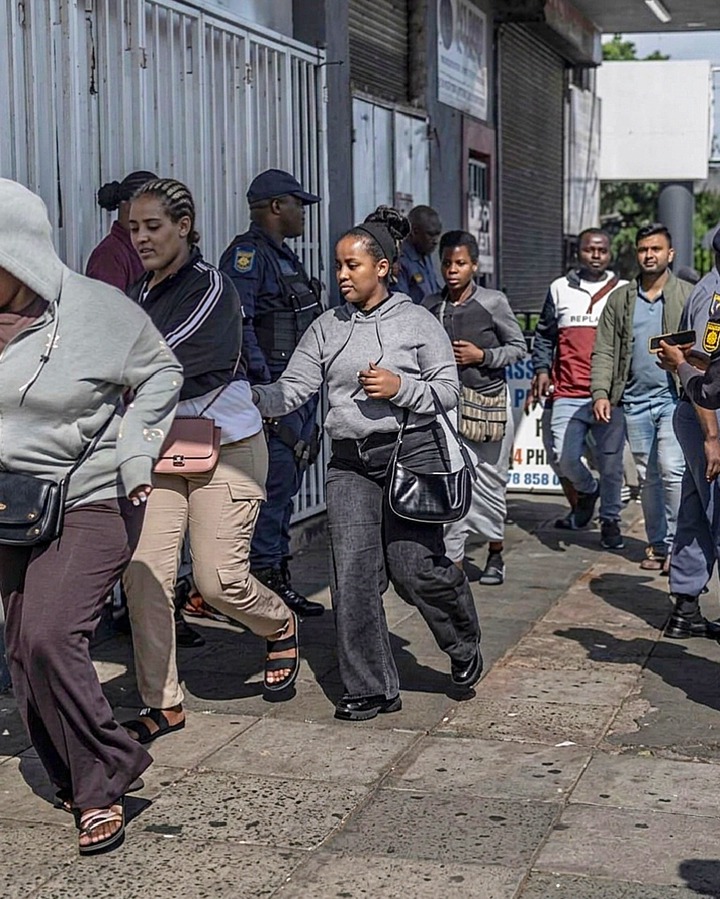
South Africa’s Department of Home Affairs has withdrawn a contentious directive concerning the intake of asylum seekers at refugee reception centres following violent protests linked to the country’s immigration procedures.
The decision comes amid growing tensions surrounding asylum applications, the management of refugee reception facilities and demands from demonstrators for stricter controls over immigration.
The directive, which involved processing asylum seekers at reception centres, had attracted significant public attention and contributed to unrest in areas where protesters opposed the government’s approach to asylum registration.
Its withdrawal marks a development in the department’s response to the escalating situation, although questions remain about how asylum applications will be handled going forward.
The asylum intake directive became a source of controversy as disagreements intensified over the number of people seeking asylum in South Africa and the procedures used to process their applications.
Demonstrators raised concerns about immigration enforcement, service delivery and the government’s handling of asylum seekers. Some called for the suspension of asylum registrations, arguing that authorities should prioritise the needs and safety of South African residents.
The protests reflected broader tensions surrounding immigration policy, particularly in communities where public services, employment opportunities and access to government facilities have become subjects of heated debate.
However, concerns about immigration procedures do not justify violence, intimidation or attacks on individuals and businesses.
The department’s decision to withdraw the directive came against this backdrop of public opposition and disruption at refugee reception facilities.
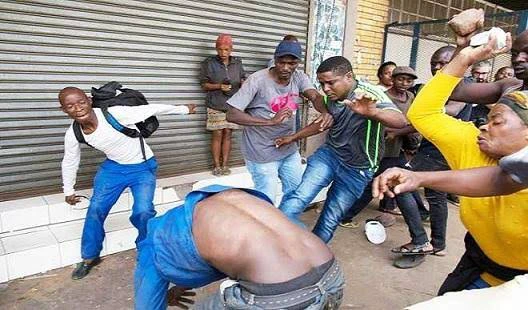
The controversy surrounding asylum processing coincided with violent demonstrations in Durban and Soweto, where vehicles were reportedly set alight and businesses were targeted.
In Durban, protesters gathered near the Refugee Reception Centre, while unrest also affected parts of the city. Reports indicated that a scrapyard near the facility was set on fire, contributing to the suspension of operations at the centre.
In Soweto, demonstrations included attacks on foreign-operated retail businesses and the burning of vehicles. Authorities subsequently intensified security measures, with Public Order Police deployed to affected areas and South African National Defence Force personnel sent to assist law enforcement in Orlando West.
The incidents raised concerns about the safety of residents, business owners, workers and people seeking assistance from government facilities.
Police operations were also intensified to identify individuals suspected of involvement in criminal acts. Authorities warned that those responsible for violence and property destruction could face prosecution.
The withdrawal of the directive is a significant policy development amid these tensions, but it does not automatically resolve the security and immigration challenges facing the country.
The department’s decision leaves important questions about the procedures that will apply at refugee reception centres and how officials will manage asylum applications.
Asylum seekers are people who request international protection because they fear persecution or serious harm in their home countries. Their applications must be assessed through the relevant legal and administrative processes.
Submitting an asylum application does not automatically grant permanent residence or recognised refugee status. Each application is subject to the applicable procedures and requirements.
Clear communication from Home Affairs will therefore be important to prevent further confusion about the legal position of asylum seekers and the responsibilities of government officials.
The department will also need to explain how the withdrawal affects existing applications, new applicants and the daily operations of reception centres.
Balancing Public Safety and Immigration Responsibilities
The developments have placed renewed attention on the challenge of managing immigration concerns while maintaining public order and respecting the law.
Government authorities face pressure to address public complaints about immigration administration while ensuring that disputes do not lead to attacks against people because of their nationality.
Community concerns can be raised through lawful protests and engagement with government institutions. At the same time, criminal conduct must be investigated and addressed through the justice system.
The withdrawal of the asylum intake directive may ease one point of contention, but the wider debate over immigration policy is likely to continue.
For now, attention will focus on how Home Affairs implements the decision, whether refugee reception centres resume normal operations and what further measures authorities introduce to prevent renewed violence.
A clear explanation of the revised procedures will be essential as the government seeks to restore confidence in the asylum system and maintain safety at affected facilities.