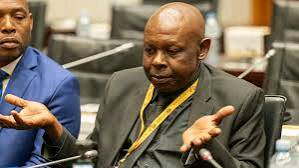

The ongoing Madlanga Commission of Inquiry continues to attract public attention as South Africans closely follow testimony and allegations surrounding possible corruption, political connections and criminality within the country’s law enforcement system.
Businessman Vusimuzi “Cat” Matlala has become a prominent figure in discussions surrounding the broader investigations, with some members of the public calling on him to use his legal battles and any opportunity to provide information to clarify questions surrounding his business dealings.
A message circulating on social media has urged Matlala to speak openly about what he knows, arguing that his current circumstances should not prevent him from presenting his side of the story.
“Cat Matlala, mfana wam, it’s your time to shine. You can’t be in those cells alone. You’re not crazy, Abuti. You can’t award the tender to yourself. Prove them wrong and pull all those curtains,” the message reads.
The statement reflects a sentiment among some commentators who believe that individuals facing allegations should provide clear explanations about their actions and relationships, particularly when public money and government contracts are involved.
However, the reference to awarding a tender to oneself raises questions that must be examined against the available evidence. Claims about tender processes, potential conflicts of interest and alleged misconduct require proper investigation before conclusions can be reached.
The Madlanga Commission was established to investigate allegations concerning criminality, corruption and possible political interference within South Africa’s criminal justice system. Its proceedings have drawn considerable public interest because of the potential implications for accountability and public confidence in law enforcement institutions.
Matlala’s name has featured in wider public discussions about alleged links between business interests and individuals within the police and political circles. Nevertheless, allegations made in public debate should not automatically be treated as established facts, and the responsibility for determining the truth rests with the relevant investigative and judicial processes.
For many South Africans, the central concern is whether the commission will help establish the facts, identify possible wrongdoing and recommend appropriate action where necessary.
There is also growing public interest in understanding how government contracts are awarded, who benefits from them and whether the relevant procedures are followed. Transparent procurement processes are essential to protecting public funds and ensuring that contracts are awarded fairly.
If Matlala possesses information relevant to any investigation, it would be important for such information to be presented through the appropriate legal channels and assessed against supporting evidence.
Ultimately, the public wants answers, accountability and credible findings rather than speculation. The commission’s work provides an opportunity for relevant evidence to be examined and for outstanding questions to be addressed.
As the proceedings continue, attention will remain focused on what further testimony may reveal and whether the investigations will lead to concrete action against anyone found to have committed wrongdoing.