

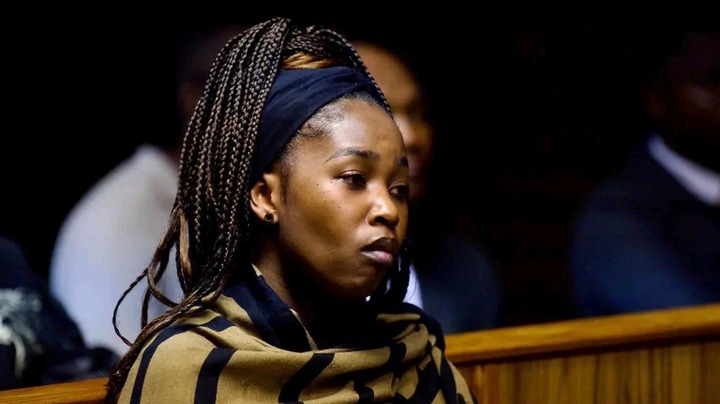
A fresh debate over race, workplace discrimination and professional recognition has emerged in South Africa after allegations that a highly qualified woman was subjected to insulting remarks that questioned her competence.
Social media posts claim the woman holds a diploma in Mechatronics, a Bachelor of Technology in Industrial Engineering and is currently pursuing an MBA. She is also reportedly equipped with several additional technical qualifications, reflecting years of specialised education and career development.
Despite these reported credentials, critics allegedly referred to her as a “token,” “tea girl” and “clerk,” sparking widespread backlash online. Many people condemned the remarks, arguing they reflect ongoing racial prejudice and discrimination that continue to affect professionals in the workplace.
The incident has renewed conversations about South Africa’s history of racial inequality and the obstacles some black professionals still face in gaining recognition for their skills and achievements.
Supporters insist that the woman’s qualifications and experience should be the only factors used to assess her professional ability. They argue that reducing someone to racial stereotypes or dismissing their accomplishments because of their identity contradicts the principles of fairness, equality and respect.
The controversy has also fed into broader discussions about transformation, employment equity and affirmative action. As South Africa continues to confront economic inequality, unemployment and unequal access to opportunities, debates over race and hiring practices remain highly divisive.
While some people believe the incident reflects persistent racial bias that hinders social cohesion, others caution that broad generalisations about the country could deepen existing divisions rather than promote understanding.
Many observers say the situation highlights the importance of judging professionals on their qualifications, performance and conduct rather than their race, gender or political affiliation. They note that earning qualifications in fields such as Mechatronics, Industrial Engineering and business management requires years of dedication and hard work.
Ultimately, the incident has reignited an important national conversation about whether South Africans can move beyond racial stereotypes and evaluate people based on their abilities, achievements and character instead of personal identity.


