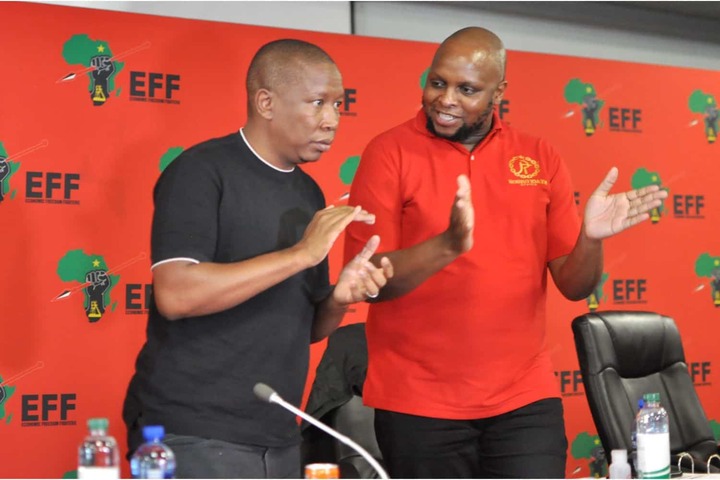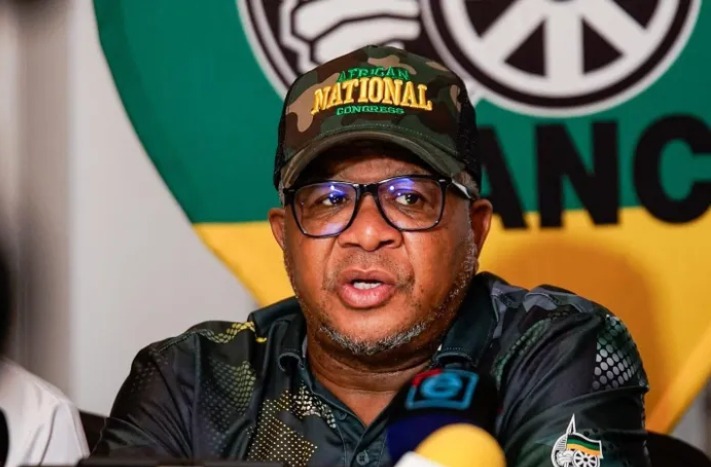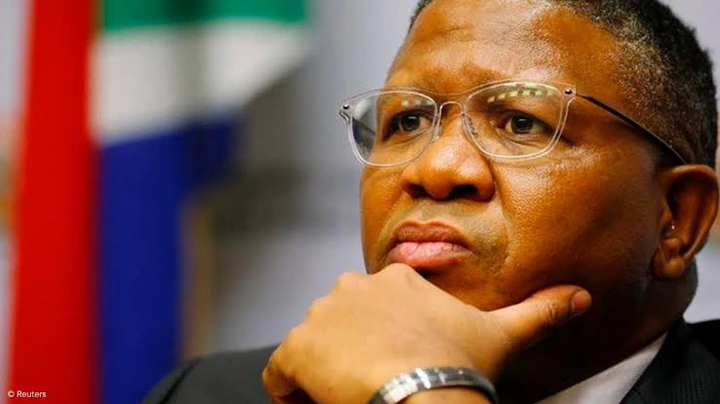

In a surprising political pivot that has left observers and supporters scrambling for context, Economic Freedom Fighters (EFF) leader Julius Malema reportedly declared a preference for remaining aligned with the African National Congress (ANC), citing its broad service delivery and commitment to its obligations. The statement, which stands in stark contrast to the EFF’s historically combative stance and its foundational promise to unseat the ruling party, marks a significant rhetorical shift. By acknowledging the ANC’s capacity to “service everyone,” Malema appears to be temporarily shelving the firebrand opposition politics that defined his career in favor of a surprisingly conciliatory assessment of the governing party’s reach.
The declaration immediately fuels intense speculation about the evolving dynamics within South Africa’s political landscape, particularly regarding the intricate web of coalitions and working agreements. Coming at a time when the ANC’s majority has been severely diluted and it relies on smaller parties to govern at national and provincial levels, Malema’s words could signal a strategic softening of the EFF’s posture. It raises questions about whether this is a genuine ideological acknowledgment of the ANC’s developmental state machinery or a calculated maneuver designed to position the EFF as a more cooperative, indispensable partner in future power-sharing negotiations.
Naturally, the remarks have triggered a firestorm of reactions from across the political spectrum. Die-hard EFF supporters, many of whom have been galvanized by fierce anti-ANC rhetoric, have expressed confusion and frustration online, questioning whether the party’s radical economic mandate is being compromised. Conversely, ANC officials have eagerly seized upon the endorsement, using it as a validation of their governance record despite facing widespread criticism over crumbling infrastructure, high unemployment, and persistent corruption scandals. Political analysts are equally puzzled, noting the sheer unpredictability of Malema’s strategy and its potential to disrupt traditional opposition alliances.
Ultimately, Malema’s unexpected praise for the ANC underscores the complex, often contradictory nature of South African politics, where historical loyalties and pragmatic governance frequently clash. Whether this statement is a fleeting moment of diplomatic flattery, a localized reference to a specific governance issue, or a definitive step toward a deeper political realignment remains to be seen. However, by publicly validating the ANC’s ability to honor its obligations, Malema has undeniably altered the opposition narrative, forcing the country to rethink the boundaries of rivalry and cooperation in a rapidly changing democratic landscape.