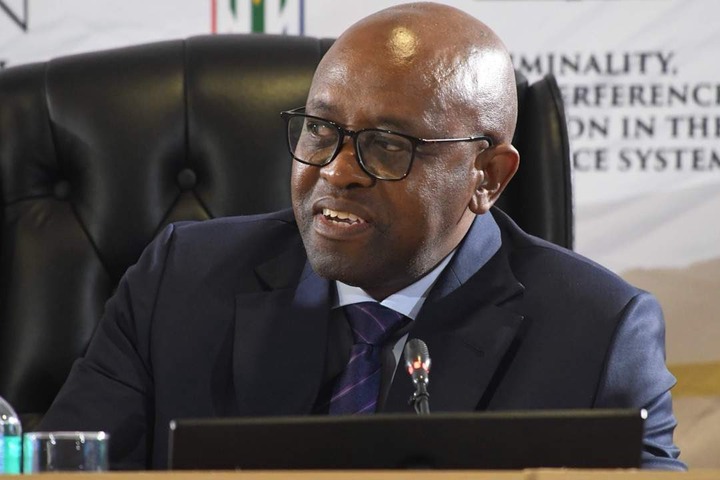
As the Madlanga Commission of Inquiry continues its investigation into allegations of criminality, corruption and political interference within South Africa’s criminal justice system, growing questions are being raised about whether the inquiry should also examine the controversial Phala Phala farm saga and the role allegedly played by members of the police.
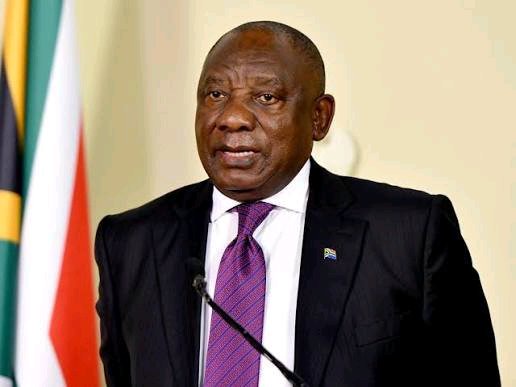
At the centre of the debate is a simple but politically sensitive question: why have senior police officers linked to the handling of the Phala Phala matter not been called to testify before the commission, and why has President Cyril Ramaphosa not been asked to give evidence about the incident?
The questions come amid renewed scrutiny of the country’s law-enforcement agencies and allegations that criminal networks and political interests may have influenced policing and investigative processes. The Madlanga Commission was established specifically to investigate allegations involving the infiltration of law-enforcement and related institutions by criminal syndicates, as well as corruption and political interference in the criminal justice system.
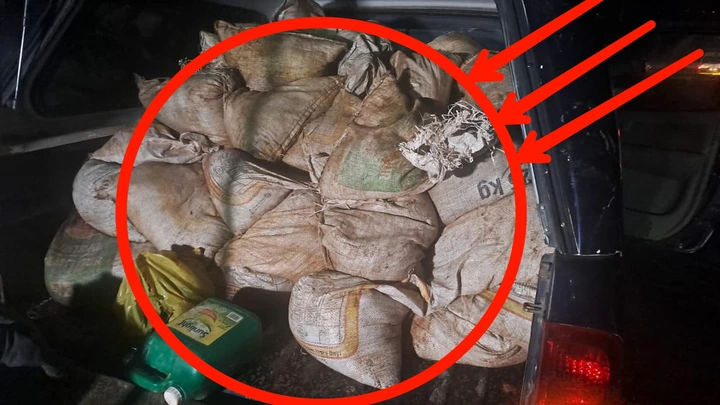
Critics argue that the Phala Phala controversy deserves consideration because the scandal involved allegations concerning the theft of foreign currency from President Ramaphosa’s private farm in Limpopo and subsequent questions about how the matter was handled by law-enforcement authorities.
However, it is important to distinguish between allegations and proven facts. There is no established finding by the Madlanga Commission that police officers participated in a cover-up of criminality at the farm. Likewise, there is currently no indication that Ramaphosa has been called to testify before the commission specifically about Phala Phala.
The commission’s mandate is broad, but it is not unlimited. Its work focuses on criminality, corruption and political interference within the criminal justice system. Whether a particular issue falls within its terms of reference is ultimately a matter for the commission to determine.
The inquiry has already heard extensive evidence about alleged corruption and criminal networks within law enforcement. President Ramaphosa recently extended the commission’s deadline, with the evidence-gathering phase now expected to conclude by 2 October 2026 and the final report due on 16 November 2026. The extension was granted to allow the commission to complete evidence on matters covered by its terms of reference.
For many South Africans, the unanswered questions surrounding Phala Phala remain a matter of public interest. Whether the commission ultimately investigates the conduct of police officers connected to the case—or seeks evidence from the president—will depend on the inquiry’s assessment of what is relevant to its mandate.
As the commission moves towards the conclusion of its hearings, pressure for transparency is likely to continue. The central issue remains whether every allegation relevant to possible criminality, corruption or political interference in South Africa’s justice system will receive the same level of scrutiny, regardless of who may be implicated.