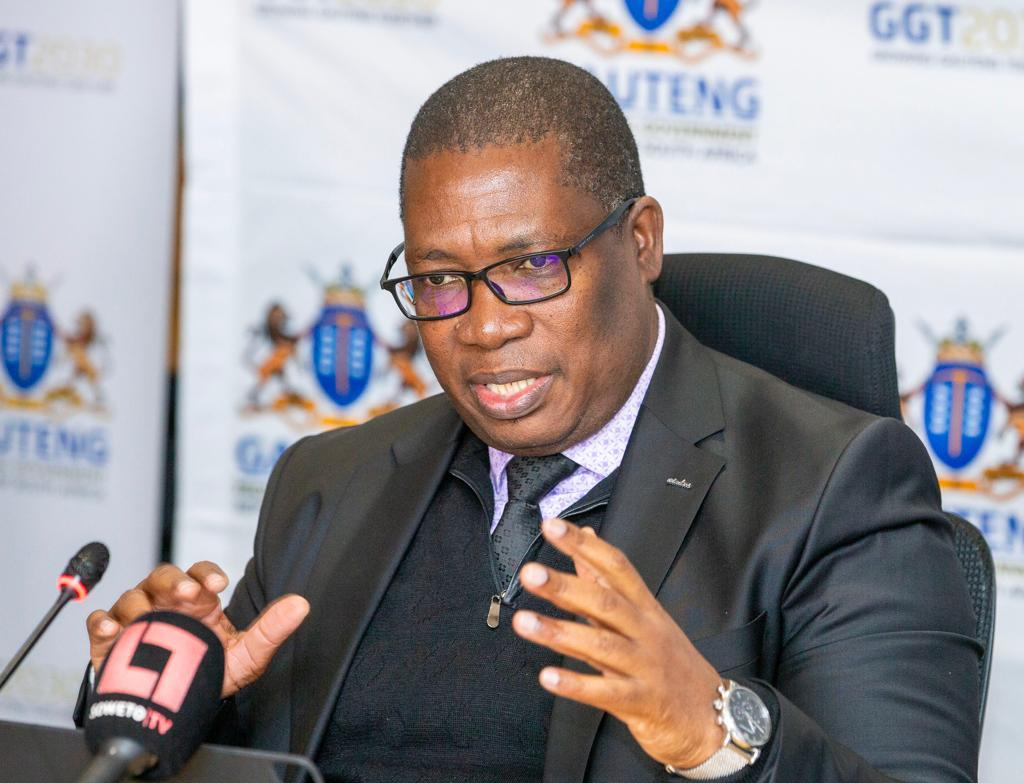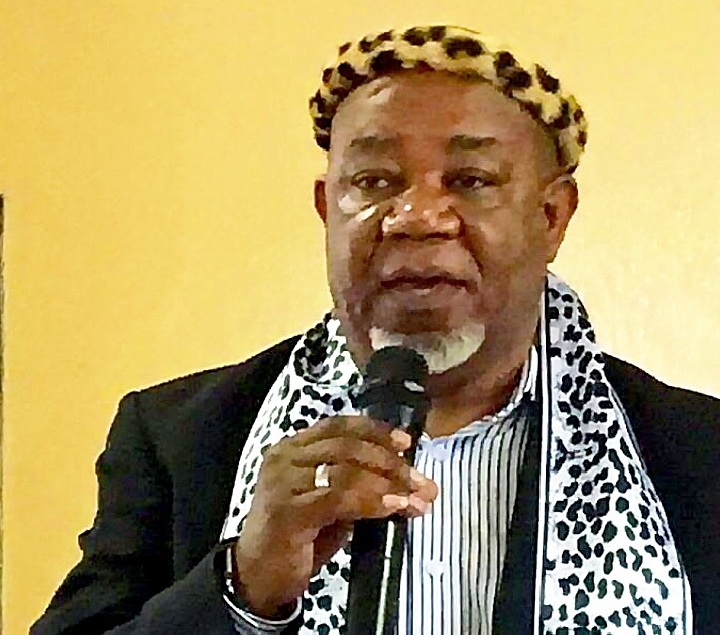
Kgoshi Lameck Mokoena, President of the Congress of Traditional Leaders of South Africa, has launched a scathing critique of government, accusing it of acting out of panic and treating traditional leaders as “fire extinguishers” in times of crisis.
Mokoena’s remarks come amid growing tensions across the country over issues such as illegal immigration, service delivery failures, and rising community unrest. Speaking during a recent engagement with traditional authorities, he warned that the government’s approach undermines both governance structures and the authority of traditional leadership.
According to Mokoena, traditional leaders are too often called upon only when situations spiral out of control, rather than being included proactively in decision-making processes. “We are not tools to be used when there is a fire,” he said. “Government must stop running to traditional leaders only when there is chaos in communities. We must be part of planning, not just crisis management.”
His comments highlight a long-standing frustration among traditional authorities who feel sidelined in formal governance despite their deep-rooted influence in many rural and peri-urban communities. Traditional leaders play a crucial role in maintaining social cohesion, resolving disputes, and guiding development at grassroots level, particularly in provinces such as Limpopo, KwaZulu-Natal, and the Eastern Cape.
Mokoena argued that ignoring traditional leaders until tensions erupt weakens the state’s ability to respond effectively to community grievances. He stressed that early engagement with local leadership could help prevent many of the conflicts that later require urgent intervention.
The CONTRALESA president also raised concerns about what he described as inconsistent government policy and a lack of coordination between departments. He said that this disjointed approach contributes to confusion on the ground and fuels frustration among ordinary citizens.
“When communities protest, when there is violence, when there are disputes—suddenly traditional leaders are remembered,” Mokoena said. “But where are we when policies are drafted? Where are we when decisions that affect our people are made?”
His remarks come at a time when South Africa is grappling with increasing social pressures, including unemployment, inequality, and migration-related tensions. In many affected areas, traditional leaders have been at the forefront of efforts to calm communities and mediate disputes.
However, Mokoena warned that this reactive reliance on traditional authorities is unsustainable. He emphasized the need for a structured partnership between government and traditional institutions, one that recognizes their role not just in cultural matters, but in governance and development as well.
Analysts say Mokoena’s comments reflect broader debates about the place of traditional leadership in a constitutional democracy. While traditional leaders are recognized within South Africa’s governance framework, their exact role and level of influence remain contested.
Some argue that integrating traditional leadership more fully into governance could improve service delivery and strengthen community engagement. Others caution that such integration must be balanced with democratic principles and accountability.
Mokoena, however, insists that the current approach is failing. He called for meaningful consultation, clearer roles, and greater respect for traditional structures. “We cannot continue like this,” he said. “Government must stop panicking and start planning with us.”
As tensions continue to simmer in various parts of the country, his message is likely to resonate with many traditional leaders who share similar frustrations. Whether government will heed the call for a more inclusive and proactive approach remains to be seen.
For now, Mokoena’s blunt warning underscores a critical issue at the heart of South Africa’s governance challenges: the need to bridge the gap between formal state institutions and traditional systems that remain deeply embedded in the lives of millions.