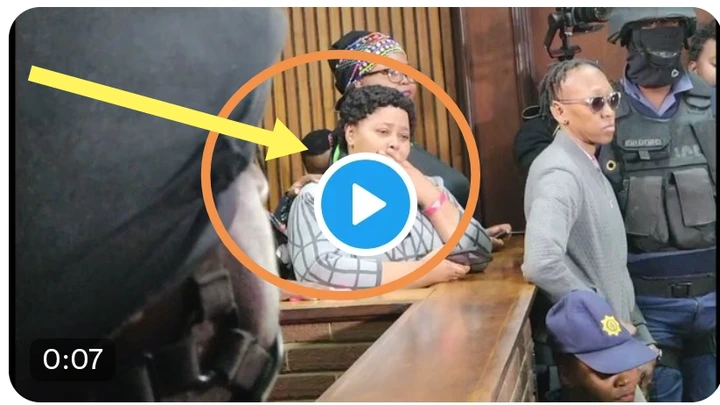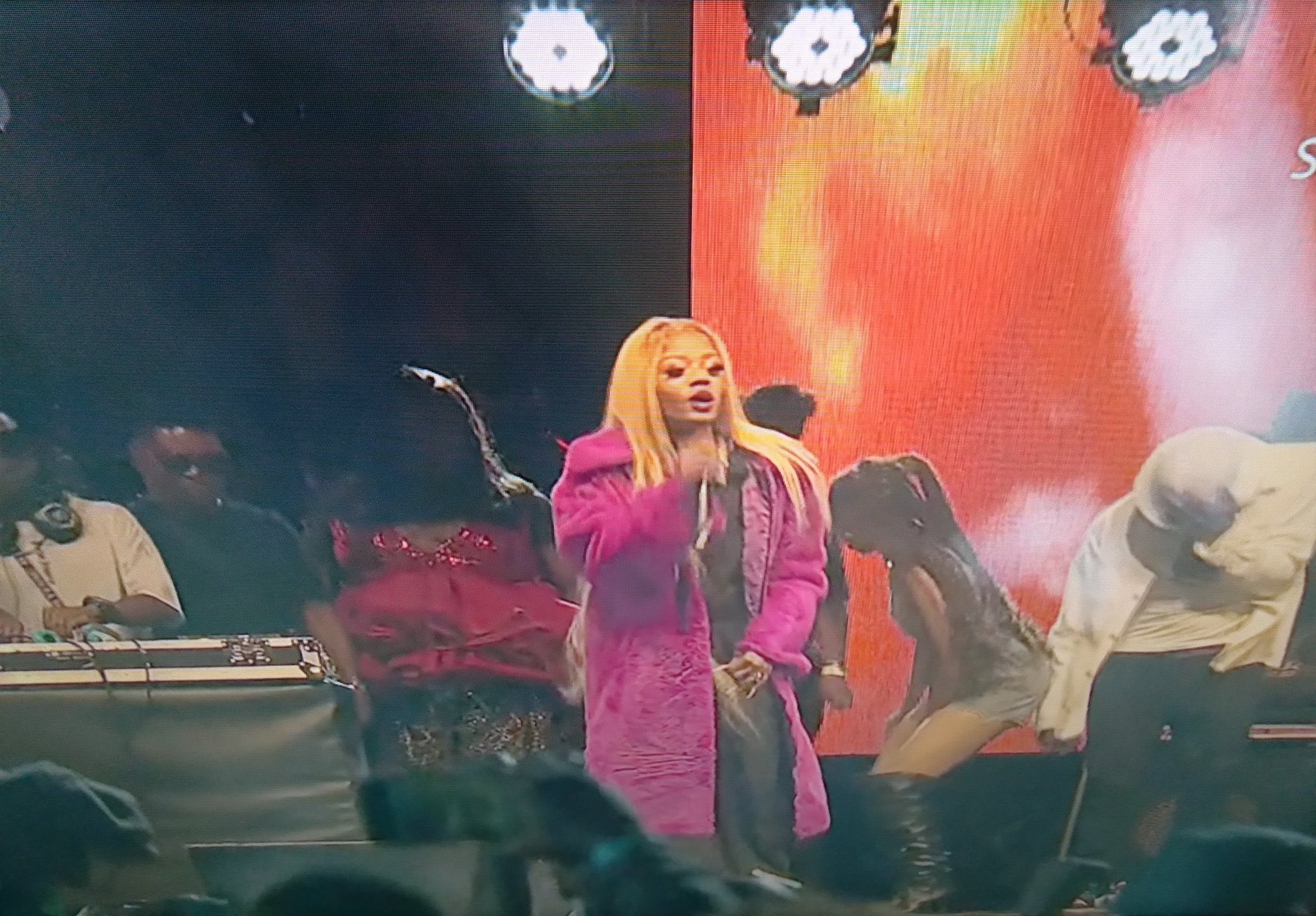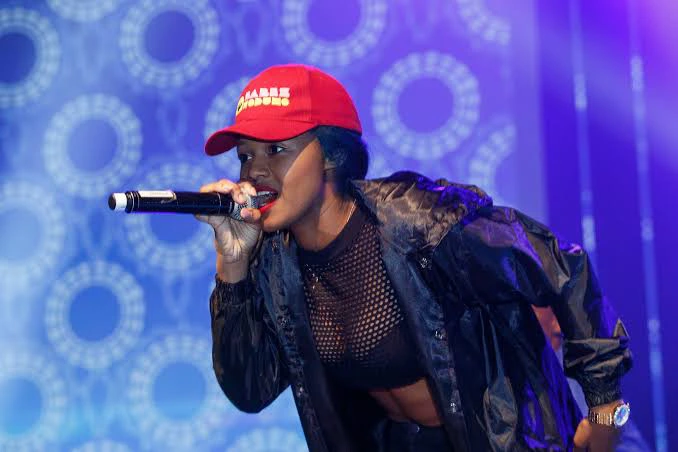
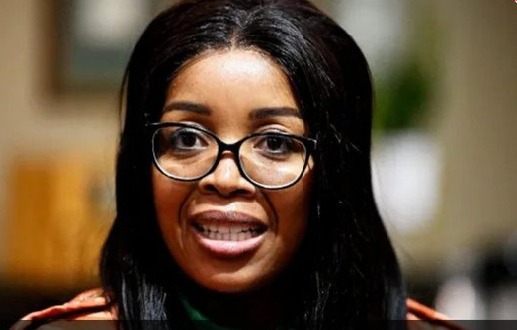
Jacinta Ngobese-Zuma has publicly addressed accusations concerning the sources of her funding, specifically rejecting claims of financial ties linked to Israel. In a direct challenge to her critics, she has invited them to examine her bank statements as evidence to support her position.
The remarks come amid ongoing public debate over political financing and potential foreign influence in South African politics. Ngobese-Zuma, who has associations with former president Jacob Zuma, stated that the allegations lack substantiation and expressed confidence that a review of her financial records would demonstrate no improper transactions or undisclosed foreign funding.
Political funding transparency remains a sensitive issue in South Africa. The country’s regulatory framework, including the Political Party Funding Act, aims to promote accountability and limit undue external influence. However, enforcement and verification challenges persist, particularly regarding individual actors, family members of political figures, or informal networks. Accusations of foreign funding often surface during periods of heightened political tension, frequently without detailed evidence, prompting calls for greater oversight by bodies such as the Independent Electoral Commission and financial intelligence units.
Ngobese-Zuma’s decision to break her silence and proactively offer access to her bank records represents a notable shift from typical responses, which often involve outright denial or legal threats. This approach may aim to shift the burden of proof back to the accusers while reinforcing her narrative of innocence. Legal and governance experts observe that while voluntary disclosure can build public trust, meaningful verification would require independent auditing and full context, including transaction histories, counterparties, and explanations for large or unusual inflows.
The claims involving Israel touch on broader geopolitical sensitivities. South Africa maintains a distinct foreign policy position on the Middle East, and allegations of external funding tied to international conflicts frequently polarise public discourse. Such claims can also intersect with domestic political rivalries, especially within the uMkhonto weSizwe Party (MK Party) and the wider ANC alliance landscape.
For Ngobese-Zuma, this intervention seeks to contain reputational damage and reframe the conversation around evidence rather than speculation. Whether critics will accept the invitation to scrutinise the statements remains unclear, as does any potential follow-up by investigative authorities or oversight institutions.